
|
ï؟½ï؟½ï؟½ ï؟½ï؟½ï؟½ï؟½ï؟½ï؟½
|
ï؟½ï؟½ï؟½ï؟½ ï؟½ï؟½ï؟½ï؟½ ï؟½ï؟½ï؟½ï؟½ ï؟½ï؟½ï؟½ï؟½ï؟½ï؟½ ï؟½ï؟½ï؟½ï؟½ï؟½ï؟½ï؟½ ï؟½ï؟½ ï؟½ï؟½ï؟½ï؟½ ï؟½ï؟½ï؟½ï؟½ï؟½ï؟½ï؟½ ï؟½ï؟½ï؟½ï؟½ï؟½ï؟½ï؟½ï؟½ ï؟½ï؟½ï؟½ï؟½ï؟½ï؟½ ï؟½ï؟½ï؟½ï؟½ï؟½.. ï؟½ï؟½ï؟½ï؟½ ï؟½ï؟½ï؟½ï؟½ï؟½ï؟½ï؟½ï؟½
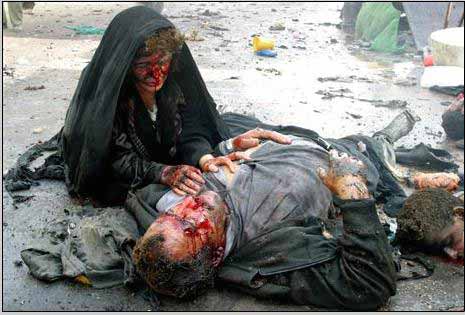 ï؟½ï؟½ï؟½ï؟½ ï؟½ï؟½ï؟½ï؟½ ï؟½ï؟½ï؟½ï؟½ ï؟½ï؟½ï؟½ï؟½ï؟½ï؟½ ï؟½ï؟½ï؟½ï؟½ï؟½ï؟½ï؟½ ï؟½ï؟½ ï؟½ï؟½ï؟½ï؟½ ï؟½ï؟½ï؟½ï؟½ï؟½ï؟½ï؟½ ï؟½ï؟½ï؟½ï؟½ï؟½ï؟½ï؟½ï؟½ ï؟½ï؟½ï؟½ï؟½ï؟½ï؟½ ï؟½ï؟½ï؟½ï؟½ï؟½ ï؟½ï؟½ï؟½ï؟½ï؟½ ï؟½ï؟½ï؟½ï؟½ ï؟½ï؟½ï؟½ï؟½ï؟½ï؟½ï؟½ï؟½ ï؟½ï؟½ï؟½ï؟½ ï؟½ï؟½ï؟½ï؟½ ï؟½ï؟½ï؟½ï؟½ï؟½ï؟½ï؟½ ï؟½ï؟½ ï؟½ï؟½ï؟½ ï؟½ï؟½ï؟½ï؟½ï؟½ ï؟½ï؟½ï؟½ï؟½ ï؟½ï؟½ ï؟½ï؟½ï؟½ï؟½ï؟½ ï؟½ï؟½ï؟½ï؟½ï؟½ ï؟½ï؟½ï؟½ï؟½ï؟½ ï؟½ï؟½ ï؟½ ï؟½ï؟½ï؟½ï؟½ï؟½ï؟½ ï؟½ï؟½ï؟½ï؟½ ï؟½ï؟½ï؟½ï؟½ï؟½ï؟½ï؟½ ï؟½ï؟½ï؟½ ï؟½ï؟½ï؟½ï؟½ ï؟½ï؟½ï؟½ ï؟½ï؟½ï؟½ï؟½ï؟½ï؟½ï؟½ï؟½ ï؟½ï؟½ï؟½ï؟½ ï؟½ï؟½ï؟½ï؟½ï؟½ï؟½ï؟½ ï؟½ï؟½ ï؟½ï؟½ï؟½ ï؟½ï؟½ï؟½ï؟½ï؟½ï؟½ ï؟½ï؟½ï؟½ï؟½ï؟½ .. ï؟½ï؟½ï؟½ï؟½ï؟½ ï؟½ï؟½ï؟½ ï؟½ï؟½ï؟½ï؟½ï؟½ï؟½ï؟½ï؟½ ï؟½ï؟½ï؟½ï؟½ï؟½ ï؟½ï؟½ï؟½ï؟½ï؟½ï؟½ï؟½ ï؟½ï؟½ï؟½ï؟½ï؟½ ï؟½ï؟½ï؟½ï؟½ï؟½ï؟½ï؟½ ï؟½ï؟½ ï؟½ï؟½ ï؟½ï؟½ï؟½ï؟½ï؟½ï؟½ ï؟½ ï؟½ï؟½ï؟½ ï؟½ï؟½ï؟½ ï؟½ï؟½ï؟½ï؟½ ï؟½ï؟½ ï؟½ï؟½ ï؟½ï؟½ï؟½ï؟½ï؟½ ï؟½ï؟½ï؟½ï؟½ï؟½ ï؟½ï؟½ï؟½ï؟½ ï؟½ ï؟½ï؟½ï؟½ï؟½ : ï؟½ï؟½ï؟½ï؟½ ï؟½ï؟½ ï؟½ï؟½ï؟½ï؟½ï؟½ ï؟½ï؟½ï؟½ï؟½ï؟½ï؟½ ï؟½ï؟½ï؟½ï؟½ ï؟½ï؟½ï؟½ï؟½ï؟½ï؟½ï؟½ ï؟½ï؟½ï؟½ ï؟½ï؟½ï؟½ ï؟½ï؟½ï؟½ï؟½ ï؟½ï؟½ï؟½ï؟½ï؟½ ï؟½ï؟½ï؟½ï؟½ï؟½ . ï؟½ï؟½ï؟½ ï؟½ï؟½ï؟½ï؟½ï؟½ ï؟½ï؟½ï؟½ï؟½ï؟½ï؟½ ï؟½ï؟½ï؟½ï؟½ ï؟½ï؟½ï؟½ï؟½ï؟½ï؟½ï؟½ ï؟½ï؟½ï؟½ï؟½ ï؟½ï؟½ï؟½ ï؟½ï؟½ï؟½ï؟½ï؟½ï؟½ ï؟½ï؟½ï؟½ï؟½ï؟½ï؟½ï؟½ï؟½ï؟½. ï؟½ï؟½ï؟½ ï؟½ï؟½ï؟½ï؟½ ï؟½ï؟½ï؟½ï؟½ï؟½ï؟½ ï؟½ï؟½ï؟½ï؟½ï؟½ ï؟½ï؟½ï؟½ ï؟½ï؟½ï؟½ï؟½ï؟½ï؟½ï؟½ . ï؟½ï؟½ï؟½ ï؟½ï؟½ï؟½ï؟½ï؟½ï؟½ ï؟½ï؟½ï؟½ï؟½ï؟½ ï؟½ï؟½ï؟½ï؟½ï؟½ ï؟½ï؟½ ï؟½ï؟½ï؟½ï؟½ï؟½ ï؟½ï؟½ ï؟½ï؟½ï؟½ï؟½ï؟½ï؟½ï؟½ï؟½ ï؟½ï؟½ï؟½ï؟½ ï؟½ï؟½ï؟½ ï؟½ï؟½ï؟½ï؟½ï؟½ï؟½ï؟½ ï؟½ï؟½ï؟½ï؟½ï؟½ï؟½ï؟½ï؟½ ï؟½ï؟½ï؟½ï؟½ï؟½ ï؟½ï؟½ï؟½ ï؟½ï؟½ï؟½ï؟½ï؟½ï؟½ï؟½ ï؟½ï؟½ï؟½ï؟½ï؟½ï؟½ï؟½. ï؟½ï؟½ï؟½ï؟½ ï؟½ï؟½ï؟½ ï؟½ ï؟½ï؟½ï؟½ ï؟½ï؟½ï؟½ï؟½ ï؟½ï؟½ ï؟½ï؟½ï؟½ï؟½ï؟½ï؟½ ï؟½ï؟½ï؟½ï؟½ ï؟½ï؟½ï؟½ï؟½ï؟½ ï؟½ ï؟½ï؟½ï؟½ï؟½ï؟½ï؟½ ï؟½ï؟½ ï؟½ï؟½ï؟½ï؟½ï؟½ï؟½ï؟½ ï؟½ï؟½ï؟½ï؟½ï؟½ï؟½ï؟½ ï؟½ ï؟½ï؟½ï؟½ï؟½ ï؟½ï؟½ï؟½ï؟½ï؟½ï؟½ï؟½ ï؟½ï؟½ï؟½ï؟½ï؟½ï؟½ï؟½ï؟½ ï؟½ï؟½ ï؟½ï؟½ï؟½ï؟½ ï؟½ï؟½ï؟½ [ ï؟½ï؟½ï؟½ï؟½ï؟½ï؟½ï؟½ ï؟½ï؟½ï؟½ï؟½ï؟½ï؟½ï؟½ ï؟½ï؟½ï؟½ï؟½ï؟½ï؟½ï؟½ ï؟½ï؟½ï؟½ï؟½ï؟½ï؟½ ï؟½ï؟½ï؟½ï؟½ï؟½ï؟½ï؟½] . ï؟½ï؟½ï؟½ï؟½ï؟½ï؟½ ï؟½ï؟½ ï؟½ï؟½ï؟½ï؟½ï؟½ï؟½ ï؟½ï؟½ï؟½ ï؟½ï؟½ï؟½ï؟½ï؟½ ï؟½ï؟½ ï؟½ï؟½ï؟½ï؟½ ï؟½ï؟½ï؟½ï؟½ ï؟½ï؟½ ï؟½ï؟½ï؟½ï؟½ . ï؟½ï؟½ï؟½ï؟½ï؟½ ï؟½ï؟½ï؟½ï؟½ï؟½ ï؟½ï؟½ï؟½ï؟½ï؟½ï؟½ ï؟½ï؟½ï؟½ï؟½ ï؟½ï؟½ï؟½ï؟½ ï؟½ï؟½ï؟½ ï؟½ï؟½ï؟½ï؟½ ï؟½ï؟½ ï؟½ï؟½ï؟½ 2006. ï؟½ï؟½ï؟½ï؟½ ï؟½ï؟½ï؟½ ï؟½ï؟½ï؟½ï؟½ ï؟½ï؟½ï؟½ï؟½ï؟½ ï؟½ï؟½ï؟½ï؟½ï؟½ï؟½ ï؟½ï؟½ï؟½ï؟½ï؟½ï؟½ï؟½ ï؟½ï؟½ ï؟½ï؟½ï؟½ï؟½ ï؟½ï؟½ï؟½ï؟½ ï؟½ï؟½ï؟½ï؟½ï؟½ï؟½ï؟½ ï؟½ï؟½ ï؟½ï؟½ï؟½ï؟½ï؟½ï؟½ ï؟½ï؟½ï؟½ï؟½ï؟½ï؟½ ï؟½ï؟½ï؟½ï؟½ï؟½ ï؟½ ï؟½ï؟½ï؟½ ï؟½ï؟½ï؟½ ï؟½ ï؟½ï؟½ ï؟½ï؟½ ï؟½ï؟½ï؟½ ï؟½ï؟½ï؟½ï؟½ï؟½ï؟½ï؟½ ï؟½ï؟½ï؟½ï؟½ï؟½ï؟½ ï؟½ï؟½ï؟½ï؟½ï؟½ï؟½ï؟½ ï؟½ ï؟½ï؟½ï؟½ï؟½ : ï؟½ï؟½ï؟½ï؟½ ï؟½ï؟½ï؟½ï؟½ï؟½ ï؟½ï؟½ï؟½ï؟½ï؟½ï؟½ ï؟½ï؟½ï؟½ ï؟½ï؟½ï؟½. ï؟½ï؟½ï؟½ ï؟½ï؟½ï؟½ ï؟½ï؟½ï؟½ ï؟½ï؟½ï؟½ï؟½ ï؟½ï؟½ ï؟½ï؟½ï؟½ï؟½ï؟½ / ï؟½ï؟½ï؟½ï؟½ï؟½. ï؟½ï؟½ï؟½ï؟½ ï؟½ï؟½ï؟½ï؟½ï؟½ï؟½ 13 ï؟½ï؟½ 18 ï؟½ï؟½ï؟½ï؟½ï؟½ï؟½ . ï؟½ï؟½ï؟½ï؟½ï؟½ ï؟½ï؟½ï؟½ ï؟½ï؟½ï؟½ï؟½ ï؟½ï؟½ï؟½ ï؟½ï؟½ï؟½ï؟½ï؟½ ï؟½ï؟½ï؟½ï؟½ï؟½ï؟½ï؟½ï؟½ ï؟½ ï؟½ ï؟½ï؟½ï؟½ï؟½ï؟½ï؟½ï؟½ ï؟½ï؟½ ï؟½ï؟½ï؟½ï؟½ï؟½ï؟½ï؟½ï؟½ ï؟½ ï؟½ï؟½ï؟½ï؟½ï؟½ï؟½ï؟½ï؟½ï؟½ï؟½ï؟½ ï؟½ï؟½ï؟½ï؟½ï؟½ï؟½ï؟½ï؟½ï؟½ï؟½ ï؟½ï؟½ï؟½ï؟½ï؟½ï؟½ï؟½ï؟½ï؟½ ï؟½ ï؟½ï؟½ï؟½ï؟½ï؟½ ï؟½ï؟½ï؟½ï؟½ï؟½ï؟½ï؟½ï؟½ ï؟½ï؟½ï؟½ï؟½ ï؟½ï؟½ï؟½ï؟½ï؟½ï؟½ï؟½. ï؟½ï؟½ï؟½ï؟½ï؟½ ï؟½ï؟½ï؟½ï؟½ï؟½ï؟½ ï؟½ï؟½ï؟½ ï؟½ï؟½ï؟½ï؟½ï؟½ ï؟½ï؟½ï؟½ï؟½ï؟½ ï؟½ï؟½ï؟½ï؟½ï؟½ï؟½ ï؟½ï؟½ï؟½ ï؟½ï؟½ï؟½ï؟½ï؟½ï؟½ï؟½ï؟½ ï؟½ï؟½ ï؟½ï؟½ ï؟½ï؟½ï؟½ ï؟½ï؟½ï؟½ ï؟½ï؟½ ï؟½ï؟½ï؟½ï؟½ï؟½ï؟½ ï؟½ï؟½ï؟½ï؟½ï؟½ ï؟½ï؟½ï؟½ ï؟½ï؟½ï؟½ï؟½ ï؟½ï؟½ï؟½ï؟½ ï؟½ï؟½ï؟½ï؟½ ï؟½ï؟½ï؟½ï؟½ ï؟½ï؟½ï؟½ï؟½ ï؟½ï؟½ï؟½ï؟½ï؟½ï؟½ï؟½ . ï؟½ï؟½ï؟½ï؟½ï؟½ï؟½ ï؟½ï؟½ï؟½ï؟½ ï؟½ï؟½ï؟½ ï؟½ï؟½ï؟½ï؟½ï؟½ï؟½ ï؟½ï؟½ï؟½ï؟½ï؟½ï؟½ ï؟½ï؟½ï؟½ï؟½ï؟½ï؟½ . ï؟½ï؟½ ï؟½ï؟½ï؟½ï؟½ ï؟½ï؟½ï؟½ï؟½ï؟½ ï؟½ï؟½ï؟½ï؟½ï؟½ï؟½ï؟½ï؟½ï؟½ ï؟½ï؟½ï؟½ï؟½ï؟½ï؟½ ï؟½ï؟½ï؟½ï؟½ï؟½ï؟½ ï؟½ ï؟½ï؟½ï؟½ï؟½ ï؟½ï؟½ï؟½ ï؟½ï؟½ ï؟½ï؟½ï؟½ï؟½ ï؟½ï؟½ï؟½ ï؟½ï؟½ï؟½ï؟½ï؟½ ï؟½ï؟½ ï؟½ï؟½ ï؟½ï؟½ï؟½ ï؟½ï؟½ ï؟½ï؟½ï؟½ï؟½ï؟½ ï؟½ï؟½ ï؟½ï؟½ï؟½ï؟½ï؟½ ï؟½ï؟½ï؟½ï؟½ï؟½ï؟½ ï؟½ï؟½ï؟½ï؟½ï؟½ï؟½ ï؟½ï؟½ï؟½ï؟½ï؟½ ï؟½ï؟½ï؟½ï؟½. ï؟½ï؟½ï؟½ï؟½ï؟½ ï؟½ï؟½ï؟½ ï؟½ï؟½ ï؟½ï؟½ï؟½ï؟½ï؟½ï؟½ ï؟½ï؟½ ï؟½ï؟½ï؟½ï؟½ï؟½ / ï؟½ï؟½ï؟½ï؟½ï؟½ ï؟½ ï؟½ï؟½ï؟½ ï؟½ï؟½ï؟½ï؟½ ï؟½ï؟½ ï؟½ï؟½ï؟½ï؟½ï؟½ ï؟½ï؟½ï؟½ï؟½ï؟½ï؟½. ï؟½ï؟½ï؟½ï؟½ï؟½ ï؟½ï؟½ï؟½ï؟½ï؟½ ï؟½ï؟½ï؟½ï؟½ ï؟½ï؟½ ï؟½ï؟½ï؟½ï؟½ï؟½ ï؟½ï؟½ï؟½ï؟½ï؟½ï؟½ï؟½ ï؟½ï؟½ ï؟½ï؟½ï؟½ï؟½ï؟½ï؟½ ï؟½ï؟½ï؟½ï؟½ï؟½ï؟½ï؟½ï؟½ ï؟½ï؟½ï؟½ï؟½ï؟½ ï؟½ï؟½ï؟½ï؟½ï؟½ï؟½ï؟½ ï؟½ï؟½ ï؟½ï؟½ï؟½ï؟½ï؟½ï؟½ï؟½ ï؟½ï؟½ï؟½ï؟½ï؟½ ï؟½ï؟½ï؟½ï؟½ï؟½ï؟½ï؟½ ï؟½ï؟½ ï؟½ï؟½ï؟½ ï؟½ï؟½ï؟½ ï؟½ï؟½ ï؟½ï؟½ï؟½ï؟½ ï؟½ï؟½ï؟½ï؟½ï؟½ï؟½ ï؟½ï؟½ï؟½ï؟½ï؟½ï؟½. ï؟½ï؟½ï؟½ ï؟½ï؟½ï؟½ï؟½ ï؟½ï؟½ ï؟½ï؟½ï؟½ï؟½ï؟½ï؟½ï؟½ ï؟½ï؟½ ï؟½ï؟½ï؟½ ï؟½ï؟½ï؟½ï؟½ï؟½ï؟½ ï؟½ï؟½ï؟½ï؟½ï؟½ ï؟½ï؟½ ï؟½ï؟½ï؟½ï؟½ï؟½ï؟½ï؟½ ï؟½ï؟½ ï؟½ï؟½ï؟½ï؟½ ï؟½ï؟½ï؟½ï؟½ï؟½ï؟½ ï؟½ï؟½ï؟½ï؟½ï؟½ï؟½ï؟½ï؟½ ï؟½ ï؟½ï؟½ï؟½ï؟½ : ï؟½ï؟½ï؟½ï؟½ï؟½ï؟½ï؟½ ï؟½ï؟½ ï؟½ï؟½ï؟½ï؟½ï؟½ï؟½ ï؟½ï؟½ï؟½ï؟½ï؟½ï؟½ï؟½ï؟½ ï؟½ï؟½ï؟½ï؟½ï؟½ï؟½ ï؟½ï؟½ï؟½ï؟½ .. ï؟½ï؟½ï؟½ï؟½ ï؟½ï؟½ï؟½ï؟½ .. ï؟½ï؟½ï؟½ ï؟½ï؟½ï؟½ ï؟½ï؟½ï؟½ ï؟½ï؟½ ï؟½ï؟½ ï؟½ï؟½ï؟½ï؟½ï؟½ï؟½ ï؟½ï؟½ï؟½ï؟½ï؟½ï؟½ ï؟½ ï؟½ï؟½ï؟½ï؟½ï؟½ï؟½ï؟½ ï؟½ï؟½ï؟½ï؟½ï؟½ï؟½ï؟½ï؟½ ï؟½ ï؟½ï؟½ï؟½ï؟½ ï؟½ï؟½ï؟½ï؟½ ï؟½ï؟½ ï؟½ï؟½ ï؟½ï؟½ï؟½ï؟½ï؟½ï؟½ï؟½ï؟½ ï؟½ï؟½ï؟½ï؟½ï؟½ ï؟½ï؟½ ï؟½ï؟½ï؟½ ï؟½ï؟½ï؟½ï؟½ ï؟½ ï؟½ï؟½ï؟½ ï؟½ï؟½ ï؟½ï؟½ï؟½ï؟½ï؟½ï؟½ ï؟½ï؟½ ï؟½ï؟½ï؟½ï؟½ï؟½ï؟½ ï؟½ï؟½ï؟½ï؟½ï؟½ï؟½ï؟½ï؟½ï؟½ï؟½. ï؟½ï؟½ï؟½ï؟½ ï؟½ï؟½ï؟½ï؟½ï؟½ï؟½ï؟½ ï؟½ï؟½ ï؟½ï؟½ï؟½ ï؟½ï؟½ï؟½ï؟½ï؟½ï؟½ ï؟½ï؟½ï؟½ï؟½ï؟½ ï؟½ï؟½ ï؟½ï؟½ï؟½ï؟½ï؟½ï؟½ . ï؟½ï؟½ï؟½ï؟½ï؟½ï؟½ï؟½ 42 ï؟½ï؟½ï؟½ï؟½ ï؟½ï؟½ï؟½ï؟½ï؟½ï؟½ï؟½ ï؟½ï؟½ï؟½ï؟½ ï؟½ï؟½ 300 ï؟½ï؟½ï؟½ ï؟½ï؟½ ï؟½ï؟½ï؟½ï؟½ï؟½ ï؟½ï؟½ï؟½ï؟½ï؟½ ï؟½ï؟½ ï؟½ï؟½ï؟½ï؟½ï؟½ï؟½ ï؟½ï؟½ï؟½ï؟½ï؟½ï؟½ï؟½ ï؟½ï؟½ï؟½ï؟½ï؟½ï؟½ï؟½ï؟½ ï؟½ï؟½ï؟½ï؟½ï؟½ ï؟½ï؟½ï؟½ï؟½ï؟½ï؟½ . ï؟½ï؟½ï؟½ï؟½ï؟½ï؟½ï؟½ ï؟½ï؟½ï؟½ï؟½ï؟½ ï؟½ï؟½ ï؟½ï؟½ï؟½ï؟½ ï؟½ï؟½ï؟½ ï؟½ï؟½ ï؟½ï؟½ï؟½ ï؟½ï؟½ ï؟½ï؟½ï؟½ ï؟½ï؟½ï؟½ï؟½ ï؟½ï؟½ï؟½ï؟½ï؟½ï؟½ï؟½ ï؟½ï؟½ï؟½ï؟½ï؟½ ï؟½ï؟½ï؟½ï؟½ ï؟½ï؟½ï؟½ï؟½ï؟½ï؟½ï؟½ ï؟½ï؟½ï؟½ï؟½ï؟½. ï؟½ï؟½ï؟½ï؟½ ï؟½ï؟½ï؟½ï؟½ï؟½ ï؟½ï؟½ï؟½ ï؟½ï؟½ï؟½ï؟½ï؟½ï؟½ï؟½ ï؟½ ï؟½ï؟½ï؟½ï؟½ï؟½ï؟½ï؟½ ï؟½ï؟½ï؟½ï؟½ï؟½ ï؟½ï؟½ï؟½ ï؟½ï؟½ï؟½ï؟½ï؟½ï؟½ ï؟½ ï؟½ï؟½ï؟½ï؟½ï؟½ï؟½ ï؟½ï؟½ï؟½ï؟½ï؟½ï؟½ ï؟½ ï؟½ ï؟½ï؟½ï؟½ï؟½ï؟½ ï؟½ï؟½ï؟½ï؟½ï؟½ï؟½ ï؟½ ï؟½ï؟½ï؟½ï؟½ï؟½ ï؟½ï؟½ï؟½ï؟½ ï؟½ï؟½ï؟½ï؟½ ï؟½ï؟½ï؟½ï؟½ï؟½ ï؟½ï؟½ï؟½ï؟½ï؟½ï؟½ . ï؟½ ï؟½ï؟½ï؟½ï؟½ï؟½ ï؟½ï؟½ï؟½ï؟½ï؟½ï؟½ï؟½ ï؟½ï؟½ï؟½ ï؟½ï؟½ï؟½ï؟½ï؟½ ï؟½ï؟½ ï؟½ï؟½ï؟½ï؟½ï؟½ï؟½ ï؟½ï؟½ï؟½ï؟½ï؟½ï؟½ ï؟½ï؟½ï؟½ï؟½ï؟½ . ï؟½ï؟½ï؟½ï؟½ï؟½ï؟½ï؟½ ï؟½ï؟½ï؟½ï؟½ï؟½ï؟½ ï؟½ï؟½ï؟½ï؟½ ï؟½ï؟½ï؟½ï؟½ï؟½ï؟½ï؟½ ï؟½ï؟½ï؟½ï؟½ï؟½ï؟½ï؟½ï؟½ ï؟½ï؟½ ï؟½ï؟½ï؟½ï؟½ï؟½ï؟½ï؟½ï؟½ï؟½ ï؟½ï؟½ï؟½ ï؟½ï؟½ï؟½ï؟½ï؟½ï؟½ ï؟½ï؟½ï؟½ ï؟½ï؟½ï؟½ï؟½ ï؟½ï؟½ï؟½ï؟½ ï؟½ï؟½ï؟½ï؟½ï؟½ï؟½ ï؟½ï؟½ï؟½ï؟½ï؟½ ï؟½ï؟½ï؟½ï؟½ï؟½ ï؟½ï؟½ï؟½ï؟½ï؟½ï؟½ï؟½ï؟½ ï؟½ï؟½ï؟½ï؟½ï؟½ï؟½ï؟½ ï؟½ï؟½ï؟½ . ï؟½ï؟½ï؟½ï؟½ ï؟½ï؟½ï؟½ï؟½ï؟½ ï؟½ï؟½ï؟½ï؟½ ï؟½ï؟½ ï؟½ï؟½ï؟½ï؟½ï؟½ï؟½ ï؟½ï؟½ï؟½ï؟½ï؟½ï؟½ï؟½ï؟½ ï؟½ï؟½ï؟½ ï؟½ï؟½ï؟½ï؟½ï؟½ï؟½ï؟½ï؟½ ï؟½ï؟½ï؟½ ï؟½ï؟½ï؟½ï؟½ï؟½ï؟½ ï؟½ï؟½ï؟½ï؟½ï؟½ï؟½ï؟½ï؟½ ï؟½ï؟½ ï؟½ï؟½ï؟½ï؟½ï؟½ï؟½ï؟½ ï؟½ï؟½ï؟½ï؟½ï؟½ ï؟½ï؟½ï؟½ï؟½ï؟½ï؟½ï؟½ ï؟½ï؟½ï؟½ï؟½ ï؟½ï؟½ï؟½ï؟½ï؟½ï؟½ ï؟½ï؟½ï؟½ï؟½ï؟½ï؟½ï؟½ï؟½ï؟½ï؟½. ï؟½ï؟½ï؟½ï؟½ ï؟½ï؟½ï؟½ï؟½ï؟½ï؟½ï؟½ï؟½ï؟½ï؟½ ï؟½ï؟½ ï؟½ï؟½ï؟½ï؟½ï؟½ï؟½ï؟½ï؟½ ï؟½ï؟½ï؟½ï؟½ï؟½ï؟½ ï؟½ï؟½ ï؟½ï؟½ï؟½ï؟½ï؟½ ï؟½ ï؟½ï؟½ ï؟½ï؟½ï؟½ï؟½ï؟½ï؟½ ï؟½ï؟½ï؟½ï؟½ï؟½ ï؟½ï؟½ï؟½ï؟½ ï؟½ï؟½ï؟½ï؟½ï؟½ï؟½ï؟½ ï؟½ï؟½ï؟½ï؟½ ï؟½ï؟½ï؟½ï؟½ï؟½ï؟½ ï؟½ï؟½ ï؟½ï؟½ï؟½ï؟½ï؟½ï؟½ ï؟½ï؟½ ï؟½ï؟½ï؟½ï؟½ï؟½ï؟½ï؟½ . ï؟½ï؟½ ï؟½ï؟½ï؟½ï؟½ï؟½ ï؟½ï؟½ ï؟½ï؟½ï؟½ï؟½ ï؟½ï؟½ï؟½ï؟½ï؟½ï؟½ï؟½ï؟½ ï؟½ï؟½ï؟½ï؟½ï؟½ ï؟½ï؟½ï؟½ï؟½ï؟½ ï؟½ ï؟½ï؟½ï؟½ï؟½ ï؟½ï؟½ï؟½ï؟½ ï؟½ï؟½ï؟½ï؟½ ï؟½ï؟½ï؟½ï؟½ï؟½ï؟½ï؟½ ï؟½ï؟½ï؟½ï؟½ï؟½ï؟½ ï؟½ï؟½ ï؟½ï؟½ï؟½ï؟½ï؟½ï؟½ ï؟½ï؟½ï؟½ï؟½ï؟½ï؟½ ï؟½ï؟½ï؟½ ï؟½ï؟½ï؟½ï؟½ï؟½ï؟½. ï؟½ï؟½ ï؟½ï؟½ï؟½ï؟½ï؟½ï؟½ï؟½ ï؟½ï؟½ ï؟½ï؟½ï؟½ ï؟½ï؟½ï؟½ï؟½ï؟½ï؟½ ï؟½ï؟½ï؟½ï؟½ ï؟½ï؟½ï؟½ï؟½ï؟½ï؟½. ï؟½ï؟½ ï؟½ï؟½ï؟½ï؟½ï؟½ï؟½ï؟½ï؟½ï؟½ï؟½ ï؟½ï؟½ï؟½ï؟½ï؟½ï؟½ï؟½ï؟½ ï؟½ï؟½ ï؟½ï؟½ï؟½ï؟½ï؟½ï؟½ï؟½ ï؟½ï؟½ ï؟½ï؟½ï؟½ï؟½ ï؟½ï؟½ï؟½ ï؟½ï؟½ï؟½ï؟½ï؟½ ï؟½ï؟½ï؟½ï؟½ ï؟½ï؟½ï؟½ï؟½ï؟½ï؟½ï؟½ ï؟½ï؟½ ï؟½ï؟½ï؟½ï؟½ï؟½ï؟½ ï؟½ï؟½ï؟½ï؟½ : ï؟½ï؟½ ï؟½ï؟½ï؟½ï؟½ ï؟½ï؟½ï؟½ï؟½ï؟½ï؟½ ï؟½ï؟½ï؟½ï؟½ ï؟½ï؟½ï؟½ï؟½ï؟½ï؟½ ï؟½ï؟½ ï؟½ï؟½ï؟½ï؟½ï؟½ ï؟½ï؟½ï؟½ï؟½ï؟½ï؟½ ï؟½ï؟½ï؟½ï؟½ï؟½ï؟½ï؟½ ï؟½ï؟½ï؟½ï؟½ ï؟½ï؟½ï؟½ï؟½ï؟½ï؟½ï؟½ï؟½ ï؟½ï؟½ï؟½ï؟½ ï؟½ï؟½ ï؟½ï؟½ï؟½ï؟½ï؟½ï؟½ ï؟½ï؟½ï؟½ï؟½ï؟½ï؟½ ï؟½ ï؟½ï؟½ï؟½ï؟½ï؟½ ï؟½ï؟½ ï؟½ï؟½ï؟½ï؟½ï؟½ï؟½ ï؟½ï؟½ï؟½ï؟½ï؟½ ï؟½ï؟½ï؟½ ï؟½ï؟½ï؟½ï؟½ ï؟½ï؟½ï؟½ï؟½ï؟½ï؟½ï؟½ï؟½ ï؟½ï؟½ ï؟½ï؟½ï؟½ï؟½ï؟½ï؟½ ï؟½ï؟½ï؟½ï؟½ ï؟½ï؟½ï؟½ï؟½ ï؟½ï؟½ï؟½ï؟½ï؟½ï؟½ï؟½ ï؟½ï؟½ï؟½ ï؟½ï؟½ ï؟½ï؟½ï؟½ï؟½ ï؟½ï؟½ï؟½ï؟½ï؟½ ï؟½ï؟½ï؟½ï؟½ï؟½ï؟½ï؟½ï؟½. ï؟½ï؟½ï؟½ï؟½ ï؟½ï؟½ï؟½ï؟½ï؟½ï؟½ ï؟½ï؟½ ï؟½ï؟½ï؟½ï؟½ï؟½ ï؟½ï؟½ ï؟½ï؟½ï؟½ï؟½ï؟½ï؟½ï؟½ï؟½ï؟½ ï؟½ï؟½ï؟½ï؟½ï؟½ ï؟½ï؟½ï؟½ï؟½ï؟½ï؟½ ï؟½ï؟½ï؟½ï؟½ï؟½ï؟½ï؟½ ï؟½ï؟½ ï؟½ï؟½ï؟½ ï؟½ï؟½ï؟½ï؟½ï؟½ ï؟½ï؟½ï؟½ï؟½ï؟½ ï؟½ï؟½ï؟½ï؟½ï؟½ï؟½ï؟½ . ï؟½ï؟½ ï؟½ï؟½ï؟½ï؟½ï؟½ï؟½ ï؟½ï؟½ ï؟½ï؟½ï؟½ï؟½ï؟½ï؟½ï؟½ ï؟½ï؟½ï؟½ï؟½ ï؟½ï؟½ ï؟½ï؟½ï؟½ï؟½ ï؟½ï؟½ï؟½ï؟½ï؟½ ï؟½ï؟½ï؟½ï؟½ï؟½ï؟½ ï؟½ ï؟½ï؟½ï؟½ï؟½ ï؟½ï؟½ï؟½ï؟½ ï؟½ï؟½ ï؟½ï؟½ï؟½ ï؟½ï؟½ï؟½ï؟½ï؟½ï؟½ ï؟½ ï؟½ï؟½ï؟½ï؟½ï؟½ï؟½ï؟½ ï؟½ï؟½ï؟½ï؟½ ï؟½ï؟½ï؟½ ï؟½ï؟½ï؟½ï؟½ï؟½ ï؟½ï؟½ ï؟½ï؟½ï؟½ï؟½ï؟½ï؟½ï؟½ï؟½ ï؟½ï؟½ï؟½ï؟½ï؟½ï؟½ï؟½ ï؟½ï؟½ ï؟½ï؟½ï؟½ï؟½ï؟½ï؟½. ï؟½ï؟½ï؟½ï؟½ï؟½ï؟½ ï؟½ï؟½ï؟½ ï؟½ï؟½ï؟½ï؟½ï؟½ï؟½ï؟½ ï؟½ï؟½ï؟½ï؟½ ï؟½ï؟½ï؟½ï؟½ï؟½ ï؟½ï؟½ï؟½ ï؟½ï؟½ï؟½ï؟½ ï؟½ï؟½ï؟½ï؟½ï؟½ï؟½ï؟½ï؟½ ï؟½ï؟½ ï؟½ï؟½ï؟½ï؟½ï؟½ï؟½ ï؟½ï؟½ ï؟½ï؟½ï؟½ï؟½ï؟½ï؟½ï؟½ ï؟½ï؟½ ï؟½ï؟½ï؟½ï؟½ï؟½ï؟½ ï؟½ï؟½ï؟½ï؟½ï؟½ï؟½ ï؟½ï؟½ï؟½ï؟½ï؟½ï؟½ï؟½ . ï؟½ï؟½ï؟½ï؟½ï؟½ï؟½ ï؟½ï؟½ï؟½ï؟½ï؟½ ï؟½ï؟½ï؟½ï؟½ï؟½ï؟½ ï؟½ï؟½ï؟½ï؟½ï؟½ï؟½ï؟½ ï؟½ ï؟½ï؟½ ï؟½ï؟½ï؟½ï؟½ï؟½ ï؟½ï؟½ ï؟½ï؟½ï؟½ï؟½ï؟½ï؟½ ï؟½ï؟½ï؟½ ï؟½ï؟½ï؟½ï؟½ï؟½ ï؟½ï؟½ï؟½ï؟½ ï؟½ï؟½ï؟½ï؟½ï؟½ï؟½ï؟½ ï؟½ï؟½ï؟½ï؟½ï؟½ï؟½ï؟½ï؟½ ï؟½ï؟½ï؟½ï؟½ï؟½ï؟½ï؟½ ï؟½ï؟½ï؟½ï؟½ï؟½ï؟½ï؟½. ï؟½ï؟½ï؟½ ï؟½ï؟½ ï؟½ï؟½ï؟½ ï؟½ï؟½ï؟½ï؟½ï؟½ ï؟½ï؟½ï؟½ï؟½ ï؟½ï؟½ï؟½ï؟½ï؟½ï؟½ï؟½ ï؟½ï؟½ ï؟½ï؟½ï؟½ï؟½ï؟½ï؟½ ï؟½ï؟½ï؟½ï؟½ï؟½ï؟½ï؟½ ï؟½ï؟½ ï؟½ï؟½ï؟½ï؟½ï؟½ï؟½ ï؟½ ï؟½ï؟½ï؟½ï؟½ : ï؟½ï؟½ï؟½ ï؟½ï؟½ï؟½ï؟½ ï؟½ï؟½ï؟½ï؟½ï؟½ï؟½ï؟½ ï؟½ï؟½ï؟½ï؟½ ï؟½ï؟½ï؟½ï؟½ ï؟½ï؟½ï؟½ï؟½ï؟½ ï؟½ï؟½ ï؟½ï؟½ï؟½ï؟½ï؟½ ï؟½ï؟½ï؟½ï؟½ï؟½ï؟½ï؟½ ï؟½ ï؟½ï؟½ï؟½ï؟½ï؟½ï؟½ï؟½ ï؟½ï؟½ ï؟½ï؟½ï؟½ï؟½ï؟½ï؟½ï؟½ ï؟½ï؟½ï؟½ï؟½ï؟½ï؟½ï؟½. ï؟½ï؟½ï؟½ï؟½ï؟½ï؟½ ï؟½ï؟½ ï؟½ï؟½ï؟½ï؟½ï؟½ï؟½ï؟½ ï؟½ï؟½ï؟½ï؟½ ï؟½ï؟½ ï؟½ï؟½ï؟½ ï؟½ï؟½ï؟½ï؟½ï؟½ï؟½ ï؟½ï؟½ï؟½ï؟½ï؟½ ï؟½ ï؟½ï؟½ï؟½ï؟½ï؟½ ï؟½ï؟½ï؟½ï؟½ï؟½ï؟½ï؟½ ï؟½ï؟½ï؟½ï؟½ï؟½ï؟½ï؟½ ï؟½ ï؟½ï؟½ï؟½ï؟½ ï؟½ï؟½ ï؟½ï؟½ï؟½ ï؟½ï؟½ï؟½ï؟½ï؟½ï؟½ï؟½ ï؟½ï؟½ï؟½ï؟½ï؟½ . ï؟½ï؟½ï؟½ ï؟½ï؟½ï؟½ï؟½ï؟½ ï؟½ï؟½ï؟½ ï؟½ï؟½ï؟½ï؟½ ï؟½ï؟½ ï؟½ï؟½ ï؟½ï؟½ï؟½ï؟½ï؟½ï؟½ ï؟½ ï؟½ ï؟½ï؟½ï؟½ï؟½ ï؟½ï؟½ï؟½ï؟½ ï؟½ï؟½ï؟½ï؟½ ï؟½ï؟½ï؟½ï؟½ï؟½ï؟½ ï؟½ï؟½ï؟½ï؟½ï؟½ï؟½ï؟½ ï؟½ ï؟½ï؟½ï؟½ï؟½ï؟½ï؟½ ï؟½ ï؟½ï؟½ï؟½ï؟½ï؟½ï؟½ï؟½ ï؟½ï؟½ï؟½ï؟½ ï؟½ï؟½ï؟½ï؟½ ï؟½ï؟½ï؟½ï؟½ ï؟½ï؟½ï؟½ï؟½ï؟½ï؟½ï؟½ ï؟½ï؟½ï؟½ ï؟½ï؟½ï؟½ï؟½ ï؟½ï؟½ï؟½ï؟½ï؟½ï؟½ï؟½. ï؟½ï؟½ï؟½ ï؟½ï؟½ï؟½ï؟½ï؟½ï؟½ï؟½ ï؟½ï؟½ ï؟½ï؟½ ï؟½ï؟½ ï؟½ï؟½ï؟½ï؟½ï؟½ ï؟½ï؟½ï؟½ï؟½ï؟½ï؟½ï؟½ ï؟½ï؟½ ï؟½ï؟½ï؟½ï؟½ï؟½ ï؟½ï؟½ ï؟½ï؟½ï؟½ ï؟½ï؟½ï؟½ï؟½ï؟½ï؟½ï؟½ ï؟½ï؟½ï؟½ï؟½ï؟½ï؟½ï؟½ ï؟½ï؟½ï؟½ï؟½ï؟½ ï؟½ï؟½ï؟½ ï؟½ï؟½ï؟½ï؟½ï؟½ï؟½ï؟½ ï؟½ï؟½ ï؟½ï؟½ï؟½ï؟½ ï؟½ï؟½ï؟½ï؟½ï؟½ ï؟½ï؟½ï؟½ï؟½ï؟½ï؟½ï؟½ ï؟½ï؟½ ï؟½ï؟½ï؟½ï؟½ï؟½ï؟½ ï؟½ï؟½ï؟½ï؟½ï؟½ï؟½ï؟½ï؟½ï؟½ ï؟½ï؟½ ï؟½ï؟½ï؟½ ï؟½ï؟½ï؟½ï؟½ï؟½ï؟½ . ï؟½ï؟½ï؟½ï؟½ ï؟½ï؟½ï؟½ï؟½ï؟½ ï؟½ ï؟½ï؟½ï؟½ï؟½ ï؟½ï؟½ ï؟½ï؟½ï؟½ï؟½ï؟½ï؟½ ï؟½ï؟½ï؟½ï؟½ ï؟½ï؟½ï؟½ï؟½ ï؟½ï؟½ï؟½ï؟½ï؟½ï؟½ ï؟½ï؟½ï؟½ï؟½ ï؟½ï؟½ ï؟½ï؟½ï؟½ï؟½ ï؟½ï؟½ï؟½ï؟½ï؟½ï؟½ï؟½ ï؟½ï؟½ï؟½ï؟½ï؟½ï؟½ ï؟½ï؟½ï؟½ï؟½ï؟½ ï؟½ï؟½ï؟½ï؟½ï؟½ï؟½ ï؟½ ï؟½ï؟½ï؟½ ï؟½ï؟½ï؟½ï؟½ï؟½ ï؟½ï؟½ ï؟½ï؟½ï؟½ ï؟½ï؟½ï؟½ï؟½ï؟½ ï؟½ï؟½ï؟½ ï؟½ï؟½ï؟½ï؟½ï؟½ï؟½ ï؟½ï؟½ï؟½ï؟½ï؟½ï؟½ ï؟½ï؟½ï؟½ï؟½ï؟½ï؟½ï؟½ . ï؟½ï؟½ï؟½ ï؟½ï؟½ï؟½ï؟½ ï؟½ï؟½ ï؟½ï؟½ï؟½ ï؟½ï؟½ï؟½ï؟½ï؟½ï؟½ï؟½ï؟½ ï؟½ï؟½ï؟½ï؟½ï؟½ ï؟½ï؟½ï؟½ï؟½ï؟½ ï؟½ï؟½ï؟½ï؟½ï؟½ï؟½ï؟½ ï؟½ï؟½ï؟½ï؟½ï؟½ï؟½ . ï؟½ ï؟½ï؟½ï؟½ ï؟½ï؟½ï؟½ï؟½ï؟½ï؟½ ï؟½ï؟½ï؟½ï؟½ï؟½ï؟½ ï؟½ï؟½ï؟½ï؟½ï؟½ ï؟½ï؟½ï؟½ï؟½ï؟½ï؟½ï؟½ ï؟½ï؟½ï؟½ï؟½ï؟½ï؟½ . ï؟½ï؟½ï؟½ï؟½ ï؟½ï؟½ï؟½ï؟½ ï؟½ï؟½ï؟½ ï؟½ï؟½ï؟½ï؟½ ï؟½ï؟½ï؟½ï؟½ï؟½ï؟½ï؟½ ï؟½ï؟½ï؟½ ï؟½ ï؟½ï؟½ï؟½ ï؟½ï؟½ï؟½ï؟½ï؟½ ï؟½ï؟½ï؟½ï؟½ ï؟½ï؟½ï؟½ï؟½ï؟½ï؟½ï؟½ ï؟½ï؟½ ï؟½ï؟½ï؟½ï؟½ï؟½ ï؟½ï؟½ï؟½ï؟½ï؟½ï؟½ï؟½ ï؟½ï؟½ï؟½ ï؟½ï؟½ï؟½ï؟½ï؟½ ï؟½ï؟½ ï؟½ï؟½ï؟½ï؟½ ï؟½ï؟½ ï؟½ ï؟½ï؟½ï؟½ï؟½ï؟½ ï؟½ï؟½ï؟½ï؟½ ï؟½ï؟½ ï؟½ï؟½ï؟½ ï؟½ï؟½ï؟½ï؟½ï؟½ ï؟½ï؟½ï؟½ ï؟½ï؟½ï؟½ï؟½ ï؟½ï؟½ ï؟½ï؟½ï؟½ï؟½ ï؟½ï؟½ï؟½ï؟½ï؟½ï؟½ ï؟½ï؟½ ï؟½ï؟½ï؟½ï؟½ ï؟½ï؟½ï؟½ï؟½ï؟½ï؟½ï؟½ï؟½ï؟½ . ï؟½ï؟½ï؟½ï؟½ ï؟½ï؟½ï؟½ï؟½ ï؟½ï؟½ï؟½ï؟½ï؟½ï؟½ ï؟½ï؟½ï؟½ï؟½ï؟½ï؟½ï؟½ ï؟½ï؟½ï؟½ . ï؟½ï؟½ï؟½ï؟½ï؟½ ï؟½ï؟½ ï؟½ï؟½ï؟½ï؟½ï؟½ï؟½ï؟½ï؟½ï؟½ ï؟½ ï؟½ï؟½ï؟½ ï؟½ï؟½ï؟½ ï؟½ï؟½ï؟½ï؟½ï؟½ ï؟½ï؟½ï؟½ï؟½ï؟½ ï؟½ï؟½ï؟½ï؟½ ï؟½ï؟½ï؟½ï؟½ï؟½ï؟½ï؟½ ï؟½ï؟½ï؟½ï؟½ ï؟½ï؟½ï؟½ï؟½ï؟½ï؟½ ï؟½ ï؟½ï؟½ï؟½ï؟½ï؟½ï؟½ï؟½ï؟½ ï؟½ï؟½ï؟½ï؟½ï؟½ï؟½ï؟½ ï؟½ï؟½ ï؟½ï؟½ï؟½ï؟½ï؟½ï؟½ï؟½ï؟½ï؟½ ï؟½ï؟½ï؟½ï؟½ ï؟½ï؟½ï؟½ ï؟½ï؟½ ï؟½ï؟½ï؟½ï؟½ï؟½ ï؟½ï؟½ï؟½ï؟½ï؟½ï؟½ï؟½ï؟½ ï؟½ï؟½ï؟½ ï؟½ï؟½ï؟½ï؟½ ï؟½ï؟½ï؟½ï؟½ï؟½ ï؟½ï؟½ï؟½ï؟½ï؟½ï؟½ï؟½ï؟½ï؟½ ï؟½ ï؟½ï؟½ï؟½ï؟½ï؟½ï؟½ï؟½ ï؟½ï؟½ï؟½ ï؟½ï؟½ï؟½ï؟½ ï؟½ï؟½ï؟½ ï؟½ï؟½ï؟½ï؟½ ï؟½ï؟½ï؟½ï؟½ ï؟½ï؟½ï؟½ï؟½ï؟½ ï؟½ï؟½ï؟½ï؟½ï؟½ï؟½ ï؟½ï؟½ï؟½ï؟½ï؟½ ï؟½ï؟½ï؟½ï؟½ ï؟½ï؟½ ï؟½ï؟½ï؟½ï؟½ï؟½ ï؟½ ï؟½ï؟½ï؟½ï؟½ï؟½ï؟½ . ï؟½ï؟½ï؟½ï؟½ ï؟½ï؟½ï؟½ï؟½ ï؟½ï؟½ï؟½ï؟½ï؟½ï؟½. ï؟½ï؟½ ï؟½ï؟½ï؟½ï؟½ï؟½ï؟½ï؟½ ï؟½ï؟½ï؟½ï؟½ ï؟½ï؟½ï؟½ï؟½ï؟½ï؟½ï؟½ ï؟½ï؟½ï؟½ï؟½ ï؟½ï؟½ï؟½ï؟½ï؟½ï؟½ï؟½ ï؟½ï؟½ ï؟½ï؟½ï؟½ï؟½ï؟½ï؟½ ï؟½ ï؟½ï؟½ï؟½ï؟½ ï؟½ï؟½ï؟½ï؟½ï؟½ï؟½. ï؟½ï؟½ï؟½ ï؟½ï؟½ï؟½ ï؟½ï؟½ï؟½ï؟½ ï؟½ï؟½ï؟½ï؟½ ï؟½ï؟½ï؟½ï؟½ï؟½ï؟½ï؟½ ï؟½ï؟½ï؟½ï؟½ ï؟½ï؟½ ï؟½ï؟½ï؟½ï؟½ï؟½ï؟½ ï؟½ï؟½ï؟½ï؟½ï؟½ ï؟½ï؟½ï؟½ï؟½ ï؟½ï؟½ï؟½ï؟½ ï؟½ï؟½ï؟½ï؟½ï؟½ ï؟½ï؟½ï؟½ ï؟½ï؟½ï؟½ï؟½ï؟½ï؟½ ï؟½ï؟½ï؟½ï؟½ï؟½ï؟½ ï؟½ï؟½ï؟½ï؟½ï؟½ï؟½ ï؟½ï؟½ï؟½ï؟½ï؟½ï؟½ .ï؟½ï؟½ï؟½ ï؟½ï؟½ï؟½ï؟½ï؟½ ï؟½ï؟½ ï؟½ï؟½ï؟½ ï؟½ï؟½ï؟½ï؟½ï؟½ ï؟½ï؟½ï؟½ ï؟½ï؟½ï؟½ï؟½ ï؟½ï؟½ï؟½ï؟½ï؟½ ï؟½ï؟½ï؟½ï؟½ï؟½ï؟½ï؟½ï؟½ï؟½ï؟½ ï؟½ï؟½ï؟½ï؟½ ï؟½ï؟½ï؟½ ï؟½ï؟½ï؟½ï؟½ï؟½ï؟½ ï؟½ï؟½ï؟½ ï؟½ï؟½ï؟½ ï؟½ï؟½ï؟½ï؟½ ï؟½ï؟½ï؟½ï؟½ ï؟½ï؟½ï؟½ï؟½ï؟½ï؟½ï؟½. ï؟½ï؟½ï؟½ ï؟½ï؟½ï؟½ï؟½ï؟½ï؟½ ï؟½ï؟½ ï؟½ï؟½ï؟½ï؟½ï؟½ ï؟½ï؟½ï؟½ï؟½ï؟½ï؟½ï؟½ ï؟½ï؟½ï؟½ï؟½ï؟½ï؟½ ï؟½ï؟½ï؟½ï؟½ï؟½ï؟½ï؟½ ï؟½ ï؟½ï؟½ï؟½ï؟½ ï؟½ï؟½ï؟½ï؟½ ï؟½ï؟½ï؟½ï؟½ï؟½ ï؟½ï؟½ï؟½ï؟½ ï؟½ï؟½ï؟½ï؟½ï؟½ï؟½ ï؟½ï؟½ï؟½ï؟½ï؟½ï؟½ï؟½ ï؟½ï؟½ ï؟½ï؟½ï؟½ï؟½ ï؟½ï؟½ï؟½ï؟½ ï؟½ï؟½ï؟½ï؟½ ï؟½ï؟½ï؟½ ï؟½ï؟½ï؟½ï؟½ ï؟½ï؟½ï؟½ï؟½ï؟½ ï؟½ï؟½ï؟½ï؟½ ï؟½ï؟½ï؟½ï؟½ï؟½ï؟½ï؟½ ï؟½ï؟½ï؟½ï؟½ï؟½ï؟½ï؟½ ï؟½ï؟½ ï؟½ï؟½ï؟½ï؟½ï؟½ï؟½ï؟½ï؟½ï؟½ï؟½ ï؟½ï؟½ï؟½ï؟½ ï؟½ï؟½ï؟½ï؟½ï؟½ï؟½ ï؟½ ï؟½ï؟½ï؟½ï؟½ : ï؟½ï؟½ ï؟½ï؟½ï؟½ï؟½ï؟½ ï؟½ï؟½ï؟½ . ï؟½ï؟½ï؟½ï؟½ ï؟½ï؟½ï؟½ï؟½ ï؟½ï؟½ ï؟½ï؟½ï؟½ï؟½ ï؟½ï؟½ï؟½ï؟½ ï؟½ï؟½ï؟½ï؟½ï؟½ï؟½ï؟½ ï؟½ï؟½ ï؟½ï؟½ï؟½ ï؟½ï؟½ï؟½ï؟½ ï؟½ï؟½ ï؟½ï؟½ï؟½ï؟½ï؟½ ï؟½ï؟½ï؟½ï؟½ï؟½ï؟½ ï؟½ï؟½ï؟½ï؟½ï؟½ ï؟½ï؟½ ï؟½ï؟½ï؟½ ï؟½ï؟½ï؟½ï؟½ï؟½ï؟½ ï؟½ï؟½ï؟½ï؟½ï؟½ ï؟½ï؟½ï؟½ï؟½ ï؟½ï؟½ï؟½ï؟½ ï؟½ï؟½ï؟½ï؟½ï؟½ ï؟½ï؟½ï؟½ï؟½ï؟½ï؟½ï؟½ ï؟½ï؟½ ï؟½ï؟½ï؟½ï؟½ ï؟½ï؟½ï؟½ï؟½ï؟½ï؟½. ï؟½ï؟½ï؟½ï؟½ ï؟½ï؟½ï؟½ ï؟½ï؟½ ï؟½ï؟½ï؟½ï؟½ ï؟½ï؟½ ï؟½ï؟½ï؟½ ï؟½ï؟½ ï؟½ï؟½ï؟½ï؟½ ï؟½ï؟½ï؟½ï؟½ï؟½. ï؟½ ï؟½ï؟½ï؟½ ï؟½ï؟½ï؟½ï؟½ ï؟½ï؟½ ï؟½ï؟½ï؟½ï؟½ ï؟½ï؟½ï؟½ ï؟½ï؟½ï؟½ï؟½ ï؟½ï؟½ï؟½ ï؟½ï؟½ ï؟½ï؟½ï؟½ï؟½ï؟½ï؟½ï؟½ ï؟½ï؟½ ï؟½ï؟½ ï؟½ï؟½ï؟½ ï؟½ï؟½ ï؟½ï؟½ï؟½ ï؟½ï؟½ï؟½ï؟½ï؟½ï؟½ ï؟½ ï؟½ï؟½ï؟½ ï؟½ï؟½ ï؟½ï؟½ï؟½ï؟½ ï؟½ï؟½ ï؟½ï؟½ï؟½ï؟½ï؟½ ï؟½ï؟½ ï؟½ï؟½ï؟½ï؟½ï؟½ï؟½ ï؟½ï؟½ï؟½ ï؟½ï؟½ ï؟½ï؟½ï؟½ï؟½ ï؟½ï؟½ï؟½ï؟½ ï؟½ï؟½ï؟½ï؟½ ï؟½ï؟½ï؟½ï؟½ï؟½ . ï؟½ï؟½ ï؟½ï؟½ï؟½ï؟½ï؟½ ï؟½ï؟½ï؟½ ï؟½ï؟½ï؟½ï؟½ï؟½ ï؟½ï؟½ï؟½ï؟½ï؟½ï؟½ï؟½ï؟½ï؟½ ï؟½ï؟½ ï؟½ï؟½ï؟½ï؟½ï؟½ï؟½ . ï؟½ï؟½ï؟½ ï؟½ï؟½ï؟½ï؟½ï؟½ï؟½ï؟½ ï؟½ï؟½ï؟½ ï؟½ ï؟½ï؟½ï؟½ ï؟½ï؟½ï؟½ï؟½ï؟½ ï؟½ï؟½ï؟½ï؟½ï؟½ ï؟½ï؟½ ï؟½ï؟½ï؟½ï؟½ ï؟½ï؟½ï؟½ï؟½ï؟½ ï؟½ ï؟½ï؟½ï؟½ï؟½ ï؟½ï؟½ï؟½ï؟½ ï؟½ï؟½ï؟½ï؟½ï؟½ ï؟½ ï؟½ï؟½ï؟½ï؟½ï؟½ï؟½ ï؟½ï؟½ï؟½ï؟½ï؟½ï؟½ï؟½ ï؟½ï؟½ï؟½ï؟½ ï؟½ï؟½ï؟½ï؟½ ï؟½ï؟½ï؟½ï؟½ï؟½ ï؟½ï؟½ï؟½ï؟½ï؟½ï؟½ ï؟½ï؟½ï؟½ ï؟½ï؟½ï؟½ ï؟½ï؟½ï؟½ï؟½ï؟½ï؟½ ï؟½ï؟½ï؟½ ï؟½ï؟½ï؟½ ï؟½ï؟½ï؟½ ï؟½ï؟½ï؟½ï؟½ï؟½ ï؟½ï؟½ ï؟½ï؟½ï؟½ï؟½ï؟½ï؟½ï؟½ ï؟½ï؟½ï؟½ï؟½ï؟½ï؟½ï؟½ï؟½ ï؟½ï؟½ï؟½ï؟½ï؟½ï؟½ï؟½ï؟½ï؟½ï؟½. ï؟½ ï؟½ ï؟½ï؟½ï؟½ï؟½ ï؟½ï؟½ï؟½ï؟½ ï؟½ï؟½ï؟½ï؟½ï؟½ ï؟½ï؟½ï؟½ ï؟½ï؟½ï؟½ ï؟½ï؟½ï؟½ï؟½ï؟½ ï؟½ï؟½ï؟½ï؟½ï؟½ï؟½ï؟½ ï؟½ï؟½ï؟½ï؟½ï؟½ï؟½ ï؟½ï؟½ï؟½ ï؟½ï؟½ï؟½ ï؟½ï؟½ï؟½ï؟½ ï؟½ï؟½ ï؟½ï؟½ï؟½ï؟½ï؟½ï؟½ï؟½ï؟½ ï؟½ï؟½ï؟½ï؟½ï؟½ï؟½ï؟½ ï؟½ï؟½ï؟½ï؟½ï؟½ ï؟½ï؟½ï؟½ï؟½ï؟½ï؟½ï؟½. ï؟½ï؟½ï؟½ ï؟½ï؟½ï؟½ï؟½ ï؟½ï؟½ ï؟½ï؟½ï؟½ï؟½ï؟½ï؟½ ï؟½ï؟½ï؟½ï؟½ ï؟½ï؟½ï؟½ï؟½ï؟½ ï؟½ï؟½ï؟½ï؟½ï؟½ ï؟½ï؟½ ï؟½ï؟½ï؟½ï؟½ ï؟½ï؟½ï؟½ï؟½ï؟½ ï؟½ï؟½ï؟½ï؟½ ï؟½ï؟½ï؟½ï؟½ï؟½ï؟½ï؟½ ï؟½ï؟½ï؟½ï؟½ï؟½ï؟½ ï؟½ï؟½ï؟½ï؟½. ï؟½ï؟½ï؟½ï؟½ ï؟½ï؟½ï؟½ï؟½ï؟½ï؟½ ï؟½ï؟½ï؟½ï؟½ï؟½ï؟½ ï؟½ï؟½ ï؟½ï؟½ï؟½ï؟½ï؟½ ï؟½ ï؟½ï؟½ï؟½ ï؟½ï؟½ï؟½ï؟½ï؟½ï؟½ ï؟½ï؟½ï؟½ï؟½ï؟½ï؟½ï؟½ ï؟½ï؟½ï؟½ï؟½ï؟½ï؟½ï؟½ï؟½ï؟½ ï؟½ï؟½ï؟½ï؟½ï؟½ï؟½ . ï؟½ï؟½ï؟½ï؟½ï؟½ï؟½ï؟½ ï؟½ï؟½ï؟½ï؟½ï؟½ï؟½ï؟½ï؟½ï؟½ï؟½ï؟½ ï؟½ï؟½ï؟½ï؟½ï؟½ï؟½ ï؟½ï؟½ï؟½ï؟½ ï؟½ï؟½ï؟½ï؟½ï؟½ï؟½ï؟½ ï؟½ï؟½ï؟½ ï؟½ï؟½ï؟½ ï؟½ï؟½ï؟½ ï؟½ï؟½ï؟½ï؟½ ï؟½ï؟½ï؟½ ï؟½ï؟½ï؟½ï؟½ï؟½ï؟½ï؟½ï؟½ï؟½ï؟½ ï؟½ï؟½ï؟½ ï؟½ï؟½ï؟½ï؟½ï؟½ ï؟½ï؟½ï؟½ï؟½ï؟½ï؟½ï؟½ï؟½ .. ï؟½ï؟½ ï؟½ï؟½ï؟½ï؟½ï؟½ ï؟½ï؟½ï؟½ï؟½ï؟½ ï؟½ï؟½ï؟½ï؟½ ï؟½ï؟½ï؟½ï؟½ï؟½ï؟½ï؟½ï؟½ï؟½ . ï؟½ï؟½ï؟½ï؟½ ï؟½ï؟½ï؟½ï؟½ ï؟½ï؟½ï؟½ï؟½ ï؟½ï؟½ï؟½ï؟½ï؟½ï؟½ï؟½ï؟½ ï؟½ï؟½ï؟½ ï؟½ï؟½ï؟½ï؟½ï؟½ï؟½ï؟½ï؟½ ï؟½ï؟½ï؟½ï؟½ ï؟½ï؟½ ï؟½ï؟½ï؟½ï؟½ï؟½ï؟½ ï؟½ï؟½ï؟½ï؟½ï؟½ ï؟½ï؟½ï؟½ï؟½ï؟½ ï؟½ï؟½ï؟½ï؟½ï؟½ï؟½ï؟½ï؟½ï؟½ ï؟½ï؟½ï؟½ï؟½ï؟½ï؟½ï؟½ï؟½ ï؟½ï؟½ï؟½ï؟½ï؟½ï؟½ï؟½ï؟½ ï؟½ï؟½ï؟½ï؟½ ï؟½ï؟½ï؟½ï؟½ï؟½ï؟½ ï؟½ï؟½ï؟½ï؟½ï؟½ ï؟½ï؟½ï؟½ï؟½ ï؟½ï؟½ï؟½ï؟½ ï؟½ï؟½ï؟½ï؟½ . ï؟½ï؟½ï؟½ ï؟½ï؟½ï؟½ ï؟½ï؟½ ï؟½ï؟½ï؟½ï؟½ ï؟½ï؟½ï؟½ï؟½ï؟½ ï؟½ï؟½ï؟½ ï؟½ï؟½ ï؟½ï؟½ï؟½ ï؟½ï؟½ï؟½ï؟½ï؟½ï؟½ ï؟½ï؟½ï؟½ï؟½ï؟½ ï؟½ï؟½ï؟½ï؟½ ï؟½ï؟½ï؟½ï؟½ ï؟½ï؟½ï؟½ï؟½ ï؟½ï؟½ï؟½ ï؟½ï؟½ï؟½ï؟½ ï؟½ï؟½ï؟½ï؟½ï؟½ï؟½ï؟½ ï؟½ï؟½ï؟½ï؟½ï؟½ ï؟½ï؟½ï؟½ ï؟½ï؟½ ï؟½ï؟½ï؟½ ï؟½ï؟½ï؟½ï؟½ï؟½ï؟½ ï؟½ï؟½ï؟½ï؟½ï؟½ ï؟½ ï؟½ï؟½ï؟½ï؟½ : ï؟½ï؟½ï؟½ï؟½ï؟½ï؟½ ï؟½ï؟½ï؟½ï؟½ï؟½ ï؟½ï؟½ï؟½ ï؟½ï؟½ï؟½ï؟½ï؟½ï؟½ï؟½ ï؟½ï؟½ï؟½ï؟½ï؟½ï؟½ï؟½ ï؟½ï؟½ï؟½ï؟½ ï؟½ï؟½ï؟½ï؟½ï؟½ï؟½ ï؟½ï؟½ ï؟½ï؟½ ï؟½ï؟½ï؟½ï؟½ï؟½ï؟½ï؟½ï؟½ï؟½ï؟½ ï؟½ï؟½ï؟½ï؟½ ï؟½ï؟½ ï؟½ï؟½ï؟½ï؟½ï؟½ï؟½ ï؟½ï؟½ï؟½ï؟½ï؟½ ï؟½ï؟½ï؟½ï؟½ï؟½ ï؟½ï؟½ï؟½ï؟½ï؟½ï؟½ï؟½ ï؟½ï؟½ ï؟½ï؟½ï؟½ï؟½ï؟½ï؟½ ï؟½ï؟½ ï؟½ï؟½ ï؟½ï؟½ï؟½ï؟½ï؟½ï؟½ï؟½ ï؟½ï؟½ï؟½ï؟½ï؟½ï؟½ï؟½. ï؟½ï؟½ï؟½ï؟½ ï؟½ï؟½ï؟½ï؟½ï؟½ï؟½ï؟½ ï؟½ï؟½ï؟½ï؟½ ï؟½ï؟½ï؟½ï؟½ ï؟½ ï؟½ï؟½ï؟½ï؟½ï؟½ ï؟½ï؟½ ï؟½ï؟½ï؟½ ï؟½ï؟½ï؟½ï؟½ï؟½ï؟½ï؟½ ï؟½ ï؟½ï؟½ï؟½ï؟½ï؟½ï؟½ï؟½ï؟½ ï؟½ï؟½ï؟½ï؟½ï؟½ï؟½ï؟½ï؟½ ï؟½ï؟½ ï؟½ï؟½ï؟½ï؟½ï؟½ï؟½ï؟½ï؟½ï؟½ ï؟½ï؟½ï؟½ï؟½ï؟½ï؟½ï؟½ï؟½ . ï؟½ï؟½ï؟½ ï؟½ï؟½ ï؟½ï؟½ï؟½ï؟½ ï؟½ï؟½ï؟½ï؟½ ï؟½ï؟½ï؟½ï؟½ï؟½ï؟½ ï؟½ï؟½ï؟½ï؟½ï؟½ï؟½ ï؟½ï؟½ï؟½ï؟½ï؟½ï؟½ï؟½ï؟½ ï؟½ï؟½ï؟½ï؟½ï؟½ï؟½ ï؟½ï؟½ï؟½ï؟½ï؟½ï؟½ ï؟½ï؟½ï؟½ï؟½ï؟½ï؟½ ï؟½ï؟½ï؟½ï؟½ ï؟½ï؟½ï؟½ï؟½ï؟½ ï؟½ï؟½ï؟½ï؟½ï؟½ï؟½ï؟½ï؟½ ï؟½ï؟½ï؟½ï؟½ï؟½ ï؟½ï؟½ï؟½ï؟½ï؟½ï؟½ï؟½ ï؟½ï؟½ ï؟½ï؟½ï؟½ï؟½ ï؟½ï؟½ï؟½ï؟½ï؟½ï؟½ï؟½. ï؟½ï؟½ ï؟½ï؟½ï؟½ï؟½ï؟½ ï؟½ï؟½ï؟½ï؟½ï؟½ï؟½ï؟½ ï؟½ï؟½ ï؟½ï؟½ï؟½ï؟½ ï؟½ï؟½ï؟½ï؟½ï؟½ï؟½ï؟½ï؟½ ï؟½ï؟½ï؟½ ï؟½ï؟½ï؟½ï؟½ï؟½ï؟½ï؟½ï؟½ ï؟½ ï؟½ ï؟½ï؟½ï؟½ï؟½ï؟½ ï؟½ï؟½ï؟½ï؟½ï؟½ï؟½ï؟½ ï؟½ï؟½ï؟½ï؟½ï؟½ ï؟½ï؟½ï؟½ï؟½ï؟½ï؟½ï؟½ ï؟½ ï؟½ï؟½ï؟½ï؟½ ï؟½ï؟½ï؟½ï؟½ ï؟½ï؟½ï؟½ï؟½ï؟½ï؟½ ï؟½ï؟½ï؟½ï؟½ï؟½ ï؟½ï؟½ï؟½ï؟½ï؟½ï؟½ ï؟½ï؟½ï؟½ï؟½. ï؟½ï؟½ï؟½ ï؟½ï؟½ï؟½ï؟½ ï؟½ï؟½ï؟½ï؟½ï؟½ï؟½ ï؟½ï؟½ ï؟½ï؟½ï؟½ï؟½ï؟½ï؟½ . ï؟½ï؟½ï؟½ ï؟½ï؟½ï؟½ï؟½ ï؟½ï؟½ï؟½ ï؟½ï؟½ï؟½ï؟½ ï؟½ï؟½ï؟½ ï؟½ï؟½ ï؟½ï؟½ï؟½ï؟½ï؟½ ï؟½ï؟½ ï؟½ï؟½ï؟½ï؟½ï؟½ / ï؟½ï؟½ï؟½ï؟½ï؟½ ï؟½ ï؟½ï؟½ï؟½ï؟½ï؟½ ï؟½ï؟½ï؟½ ï؟½ï؟½ï؟½ï؟½ï؟½ ï؟½ ï؟½ï؟½ï؟½ ï؟½ï؟½ï؟½ ï؟½ï؟½ï؟½ ï؟½ï؟½ï؟½ï؟½ï؟½ï؟½ï؟½ ï؟½ï؟½ï؟½ ï؟½ï؟½ ï؟½ï؟½ ï؟½ï؟½ï؟½ï؟½ï؟½ï؟½ï؟½ ï؟½ ï؟½ï؟½ï؟½ï؟½ ï؟½ï؟½ï؟½ ï؟½ï؟½ï؟½ ï؟½ï؟½ï؟½ï؟½ ï؟½ï؟½ï؟½ï؟½ï؟½ ï؟½ï؟½ï؟½ï؟½ï؟½ ï؟½ï؟½ï؟½ ï؟½ï؟½ ï؟½ï؟½ï؟½ï؟½ ï؟½ï؟½ï؟½ï؟½ï؟½ï؟½ï؟½ ï؟½ï؟½ ï؟½ï؟½ï؟½ï؟½ï؟½ï؟½ï؟½ï؟½ï؟½ ï؟½ï؟½ï؟½ï؟½ ï؟½ ï؟½ï؟½ï؟½ ï؟½ï؟½ï؟½ï؟½ ï؟½ï؟½ï؟½ï؟½ï؟½ï؟½ ï؟½ï؟½ï؟½ï؟½ï؟½ï؟½ï؟½. ï؟½ï؟½ï؟½ï؟½ ï؟½ï؟½ï؟½ï؟½ï؟½ï؟½ ï؟½ï؟½ï؟½ï؟½ ï؟½ï؟½ ï؟½ï؟½ï؟½ï؟½ ï؟½ï؟½ï؟½ï؟½ï؟½ï؟½ ï؟½ï؟½ï؟½ ï؟½ï؟½ï؟½ï؟½ ï؟½ï؟½ï؟½ï؟½ ï؟½ï؟½ï؟½ ï؟½ï؟½ï؟½ï؟½ ï؟½ï؟½ï؟½ï؟½ï؟½ï؟½ ï؟½ï؟½ï؟½ï؟½ ï؟½ ï؟½ ï؟½ï؟½ï؟½ï؟½ï؟½ ï؟½ï؟½ï؟½ ï؟½ï؟½ï؟½ ï؟½ï؟½ï؟½ï؟½ ï؟½ï؟½ï؟½ï؟½ï؟½ ï؟½ï؟½ï؟½ï؟½ ï؟½ï؟½ï؟½ï؟½ ï؟½ï؟½ï؟½ ï؟½ï؟½ï؟½ï؟½ï؟½ . ï؟½ï؟½ï؟½ ï؟½ï؟½ï؟½ ï؟½ï؟½ï؟½ ï؟½ï؟½ï؟½ï؟½ï؟½ ï؟½ï؟½ï؟½ï؟½ï؟½ï؟½ï؟½ ï؟½ï؟½ï؟½ ï؟½ï؟½ï؟½ï؟½ï؟½ ï؟½ï؟½ï؟½ï؟½ï؟½ ï؟½ï؟½ï؟½ï؟½ï؟½ï؟½. ï؟½ï؟½ï؟½ï؟½ ï؟½ï؟½ï؟½ï؟½ ï؟½ï؟½ï؟½ ï؟½ï؟½ï؟½ï؟½ ï؟½ï؟½ ï؟½ï؟½ï؟½ï؟½ ï؟½ï؟½ ï؟½ï؟½ï؟½ï؟½ï؟½ï؟½ï؟½ ï؟½ï؟½ ï؟½ï؟½ï؟½ï؟½ï؟½ï؟½ï؟½ ï؟½ï؟½ï؟½ï؟½ï؟½ï؟½ ï؟½ï؟½ï؟½ï؟½ï؟½ ï؟½ï؟½ï؟½ï؟½ ï؟½ï؟½ï؟½ ï؟½ï؟½ï؟½ ï؟½ï؟½ï؟½ï؟½ï؟½ï؟½ ï؟½ï؟½ ï؟½ï؟½ï؟½ ï؟½ï؟½ï؟½ï؟½ï؟½ ï؟½ï؟½ï؟½ï؟½ï؟½ï؟½ ï؟½ ï؟½ï؟½ï؟½ï؟½ ï؟½ï؟½ï؟½ ï؟½ï؟½ï؟½ï؟½ï؟½ï؟½ ï؟½ï؟½ï؟½ï؟½ï؟½ï؟½ . ï؟½ï؟½ï؟½ï؟½ ï؟½ï؟½ï؟½ ï؟½ï؟½ï؟½ï؟½ï؟½ ï؟½ï؟½ï؟½ï؟½ï؟½ï؟½ï؟½ ï؟½ï؟½ï؟½ï؟½ï؟½ï؟½ï؟½ ï؟½ ï؟½ï؟½ï؟½ï؟½ ï؟½ï؟½ï؟½ï؟½ ï؟½ï؟½ï؟½ï؟½ï؟½ï؟½ï؟½ï؟½ ï؟½ï؟½ï؟½ï؟½ï؟½ï؟½ï؟½ ï؟½ï؟½ï؟½ï؟½ï؟½ ï؟½ï؟½ï؟½ ï؟½ï؟½ï؟½ï؟½ï؟½ . ï؟½ ï؟½ï؟½ï؟½ï؟½ ï؟½ï؟½ï؟½ï؟½ï؟½ ï؟½ï؟½ï؟½ ï؟½ï؟½ï؟½ï؟½ï؟½ï؟½ ï؟½ï؟½ï؟½ï؟½ï؟½ ï؟½ï؟½ï؟½ï؟½ï؟½ï؟½ ï؟½ï؟½ï؟½ï؟½ ï؟½ï؟½ï؟½ï؟½ï؟½ï؟½ï؟½. ï؟½ï؟½ï؟½ï؟½ ï؟½ï؟½ï؟½ ï؟½ï؟½ï؟½ï؟½ï؟½ ï؟½ï؟½ï؟½ ï؟½ï؟½ï؟½ï؟½ï؟½ ï؟½ï؟½ï؟½ ï؟½ï؟½ï؟½ï؟½ ï؟½ï؟½ï؟½ï؟½ ï؟½ï؟½ ï؟½ï؟½ï؟½ï؟½ï؟½ï؟½ï؟½ ï؟½ï؟½ ï؟½ï؟½ï؟½ï؟½ï؟½ï؟½ ï؟½ï؟½ ï؟½ï؟½ï؟½ï؟½ï؟½ï؟½. ï؟½ï؟½ï؟½ ï؟½ï؟½ï؟½ï؟½ï؟½ ï؟½ï؟½ï؟½ï؟½ ï؟½ï؟½ï؟½ï؟½ï؟½ï؟½ï؟½ ï؟½ï؟½ï؟½ï؟½ ï؟½ï؟½ï؟½ï؟½ï؟½ï؟½ ï؟½ï؟½ï؟½ï؟½ï؟½ ï؟½ï؟½ ï؟½ï؟½ï؟½ï؟½ï؟½ï؟½ï؟½ ï؟½ï؟½ ï؟½ï؟½ï؟½ï؟½ï؟½ï؟½ ï؟½ï؟½ï؟½ï؟½ ï؟½ï؟½ ï؟½ï؟½ï؟½ ï؟½ï؟½ï؟½ï؟½ï؟½ï؟½ ï؟½ï؟½ ï؟½ï؟½ ï؟½ï؟½ï؟½ï؟½ï؟½ï؟½. ï؟½ï؟½ï؟½ ï؟½ï؟½ï؟½ï؟½ ï؟½ï؟½ï؟½ï؟½ ï؟½ï؟½ï؟½ï؟½ ï؟½ï؟½ï؟½ï؟½ï؟½ï؟½ï؟½ ï؟½ï؟½ï؟½ï؟½ï؟½ï؟½ ï؟½ï؟½ï؟½ ï؟½ ï؟½ï؟½ï؟½ï؟½ : ï؟½ï؟½ ï؟½ï؟½ï؟½ï؟½ï؟½ï؟½ ï؟½ï؟½ ï؟½ï؟½ï؟½ï؟½ï؟½ï؟½ï؟½ ï؟½ï؟½ï؟½ï؟½ ï؟½ï؟½ï؟½ï؟½ï؟½ï؟½ï؟½ ï؟½ï؟½ï؟½ ï؟½ï؟½ ï؟½ï؟½ï؟½ï؟½ï؟½ ï؟½ï؟½ ï؟½ï؟½ï؟½ï؟½ï؟½ï؟½ï؟½ ï؟½ï؟½ï؟½ ï؟½ï؟½ ï؟½ï؟½ï؟½ï؟½ï؟½ï؟½. ï؟½ï؟½ï؟½ ï؟½ï؟½ï؟½ ï؟½ï؟½ï؟½ ï؟½ï؟½ï؟½ ï؟½ï؟½ï؟½ï؟½ï؟½ï؟½ï؟½ï؟½ ï؟½ ï؟½ï؟½ ï؟½ï؟½ï؟½ï؟½ ï؟½ï؟½ï؟½ ï؟½ï؟½ï؟½ï؟½ ï؟½ï؟½ï؟½ï؟½ï؟½ï؟½ ï؟½ï؟½ï؟½ï؟½ï؟½ ï؟½ï؟½ï؟½ï؟½ï؟½ï؟½ï؟½ . ï؟½ï؟½ï؟½ï؟½ ï؟½ï؟½ ï؟½ï؟½ï؟½ ï؟½ï؟½ï؟½ï؟½ï؟½ï؟½ï؟½ï؟½ï؟½ï؟½ ï؟½ï؟½ï؟½ ï؟½ï؟½ ï؟½ï؟½ï؟½ï؟½ï؟½ ï؟½ï؟½ï؟½ï؟½ ï؟½ï؟½ï؟½ ï؟½ï؟½ ï؟½ï؟½ï؟½ï؟½ï؟½ï؟½ï؟½ ï؟½ï؟½ï؟½ï؟½ ï؟½ï؟½ ï؟½ï؟½ ï؟½ï؟½ ï؟½ï؟½ï؟½ï؟½ï؟½ . ï؟½ï؟½ï؟½ ï؟½ï؟½ï؟½ ï؟½ï؟½ï؟½ ï؟½ï؟½ï؟½ï؟½ ï؟½ï؟½ï؟½ï؟½ï؟½ï؟½ï؟½ ï؟½ï؟½ï؟½ï؟½ï؟½ï؟½ï؟½ ï؟½ ï؟½ï؟½ï؟½ï؟½ ï؟½ï؟½ ï؟½ï؟½ï؟½ ï؟½ï؟½ï؟½ï؟½ï؟½ï؟½ï؟½ ï؟½ï؟½ï؟½ï؟½ . ï؟½ï؟½ï؟½ ï؟½ï؟½ï؟½ï؟½ ï؟½ï؟½ ï؟½ï؟½ï؟½ï؟½ï؟½ï؟½ï؟½ ï؟½ï؟½ ï؟½ï؟½ï؟½ ï؟½ï؟½ï؟½ ï؟½ï؟½ï؟½ï؟½ï؟½ ï؟½ï؟½ ï؟½ï؟½ï؟½ï؟½ï؟½ï؟½ï؟½ï؟½ï؟½ ï؟½ï؟½ ï؟½ï؟½ï؟½ï؟½ï؟½ï؟½ ï؟½ï؟½ï؟½ï؟½ ï؟½ï؟½ï؟½ï؟½ï؟½ï؟½ ï؟½ï؟½ï؟½ï؟½ï؟½ï؟½ï؟½ï؟½ ï؟½ï؟½ï؟½ï؟½ï؟½ï؟½ ï؟½ï؟½ï؟½ï؟½ ï؟½ï؟½ï؟½ï؟½ï؟½ ï؟½ï؟½ ï؟½ï؟½ï؟½ ï؟½ï؟½ï؟½ ï؟½ï؟½ ï؟½ï؟½ï؟½ ï؟½ï؟½ï؟½ï؟½ ï؟½ï؟½ï؟½ï؟½ï؟½ï؟½ï؟½ ï؟½ï؟½ï؟½ï؟½ï؟½ï؟½ï؟½ ï؟½ï؟½ï؟½ ï؟½ï؟½ï؟½ï؟½ï؟½ ï؟½ï؟½ ï؟½ï؟½ï؟½ï؟½ï؟½ï؟½ï؟½ ï؟½ï؟½ï؟½ï؟½ ï؟½ï؟½ï؟½ï؟½ï؟½ï؟½ï؟½ ï؟½ ï؟½ï؟½ ï؟½ï؟½ï؟½ï؟½ ï؟½ï؟½ï؟½ ï؟½ï؟½ï؟½ï؟½ ï؟½ï؟½ ï؟½ï؟½ï؟½ï؟½ï؟½ï؟½ ï؟½ï؟½ ï؟½ï؟½ï؟½ï؟½ï؟½ï؟½ï؟½ ï؟½ï؟½ï؟½ï؟½ ï؟½ï؟½ï؟½ï؟½ ï؟½ï؟½ ï؟½ï؟½ï؟½ï؟½ï؟½ï؟½ . ï؟½ï؟½ï؟½ï؟½ ï؟½ï؟½ï؟½ï؟½ï؟½ ï؟½ï؟½ï؟½ï؟½ï؟½ï؟½ï؟½ï؟½ ï؟½ï؟½ï؟½ï؟½ï؟½ ï؟½ï؟½ï؟½ï؟½ï؟½ï؟½ï؟½ ï؟½ï؟½ï؟½ï؟½ï؟½ï؟½ ï؟½ï؟½ï؟½ ï؟½ï؟½ ï؟½ï؟½ï؟½ï؟½ ï؟½ï؟½ï؟½ï؟½ ï؟½ï؟½ï؟½ï؟½ ï؟½ï؟½ï؟½ï؟½ï؟½ï؟½ï؟½ ï؟½ï؟½ï؟½ï؟½ï؟½ï؟½ï؟½ï؟½ ï؟½ï؟½ ï؟½ï؟½ï؟½ï؟½ï؟½ï؟½ ï؟½ ï؟½ï؟½ ï؟½ï؟½ï؟½ï؟½ï؟½ï؟½ï؟½. ï؟½ï؟½ ï؟½ï؟½ï؟½ ï؟½ï؟½ï؟½ï؟½ï؟½ ï؟½ï؟½ï؟½ï؟½ï؟½ï؟½ ï؟½ï؟½ï؟½ï؟½ï؟½ï؟½ï؟½ï؟½ ï؟½ ï؟½ï؟½ï؟½ï؟½ : ï؟½ï؟½ï؟½ï؟½ï؟½ï؟½ï؟½ ï؟½ï؟½ï؟½ï؟½ï؟½ï؟½ï؟½ ï؟½ï؟½ ï؟½ï؟½ï؟½ï؟½ï؟½ï؟½ï؟½ï؟½ï؟½ ï؟½ï؟½ ï؟½ï؟½ï؟½ï؟½ ï؟½ï؟½ï؟½ï؟½ï؟½ ï؟½ï؟½ ï؟½ï؟½ï؟½ï؟½ ï؟½ ï؟½ï؟½ï؟½ï؟½ï؟½ ï؟½ï؟½ï؟½ ï؟½ï؟½ ï؟½ï؟½ï؟½ ï؟½ï؟½ï؟½ï؟½ ï؟½ï؟½ï؟½ï؟½ ï؟½ï؟½ ï؟½ï؟½ . ï؟½ï؟½ ï؟½ï؟½ï؟½ï؟½ï؟½ ï؟½ ï؟½ï؟½ï؟½ï؟½ ï؟½ï؟½ï؟½ï؟½ï؟½ ï؟½ï؟½ ï؟½ï؟½ï؟½ï؟½ï؟½ï؟½ ï؟½ï؟½ï؟½ï؟½ ï؟½ï؟½ ï؟½ï؟½ï؟½ï؟½ï؟½ï؟½ ï؟½ ï؟½ ï؟½ï؟½ï؟½ï؟½ï؟½ï؟½ï؟½ ï؟½ï؟½ï؟½ï؟½ ï؟½ï؟½ ï؟½ï؟½ï؟½ï؟½ ï؟½ ï؟½ï؟½ï؟½ ï؟½ï؟½ï؟½ï؟½ ï؟½ï؟½ï؟½ï؟½ï؟½ ï؟½ï؟½ï؟½ï؟½ï؟½ ï؟½ï؟½ï؟½ï؟½ . ï؟½ï؟½ï؟½ï؟½ ï؟½ï؟½ ï؟½ï؟½ï؟½ï؟½ï؟½ï؟½ï؟½ ï؟½ï؟½ ï؟½ï؟½ï؟½ï؟½ ï؟½ï؟½ï؟½ï؟½ï؟½ï؟½ï؟½ ï؟½ï؟½ï؟½ ï؟½ï؟½ï؟½ï؟½ï؟½ï؟½ ï؟½ï؟½ï؟½ï؟½ï؟½ï؟½ ï؟½ ï؟½ ï؟½ï؟½ï؟½ï؟½ï؟½ ï؟½ï؟½ ï؟½ï؟½ï؟½ ï؟½ï؟½ï؟½ï؟½ ï؟½ï؟½ ï؟½ï؟½ï؟½ï؟½ï؟½ ï؟½ï؟½ï؟½ï؟½ . ï؟½ï؟½ ï؟½ï؟½ï؟½ ï؟½ï؟½ï؟½ï؟½ï؟½ï؟½ ï؟½ï؟½ï؟½ï؟½ ï؟½ï؟½ï؟½ ï؟½ï؟½ï؟½ï؟½ ï؟½ï؟½ï؟½ï؟½ ï؟½ï؟½ï؟½ ï؟½ ï؟½ï؟½ï؟½ï؟½ï؟½ï؟½ ï؟½ï؟½ï؟½ï؟½ï؟½ï؟½ï؟½ï؟½ ï؟½ï؟½ ï؟½ï؟½ï؟½ï؟½ï؟½ï؟½ï؟½ï؟½ï؟½. ï؟½ï؟½ï؟½ï؟½ï؟½ï؟½ ï؟½ï؟½ï؟½ï؟½ ï؟½ï؟½ï؟½ï؟½ï؟½ï؟½ ï؟½ï؟½ï؟½ï؟½ï؟½ï؟½ï؟½ ï؟½ï؟½ï؟½ï؟½ ï؟½ï؟½ï؟½ï؟½ . ï؟½ï؟½ï؟½ï؟½ ï؟½ï؟½ ï؟½ï؟½ï؟½ï؟½ï؟½ ï؟½ï؟½ ï؟½ï؟½ï؟½ï؟½ï؟½ï؟½ ï؟½ï؟½ï؟½ï؟½ï؟½ ï؟½ï؟½ï؟½ï؟½ï؟½ ï؟½ï؟½ï؟½ï؟½ï؟½ ï؟½ï؟½ï؟½ï؟½ï؟½ï؟½ï؟½ ï؟½ï؟½ï؟½ï؟½ ï؟½ï؟½ï؟½ ï؟½ï؟½ï؟½ï؟½ ï؟½ï؟½ï؟½ï؟½ï؟½ï؟½ï؟½ ï؟½ï؟½ ï؟½ï؟½ï؟½ï؟½ï؟½ ï؟½ ï؟½ï؟½ï؟½ï؟½ ï؟½ï؟½ï؟½ï؟½ï؟½ ï؟½ï؟½ ï؟½ï؟½ï؟½ ï؟½ï؟½ï؟½ï؟½ï؟½ï؟½ ï؟½ï؟½ï؟½ï؟½ï؟½ ï؟½ï؟½ï؟½ï؟½ï؟½ï؟½ï؟½ï؟½ ï؟½ï؟½ï؟½ï؟½ï؟½ ï؟½ï؟½ï؟½ï؟½ ï؟½ï؟½ ï؟½ï؟½ï؟½ï؟½ï؟½ï؟½ ï؟½ï؟½ï؟½ ï؟½ï؟½ï؟½ï؟½ ï؟½ï؟½ï؟½ ï؟½ï؟½ï؟½ï؟½ï؟½ ï؟½ï؟½ï؟½ï؟½ï؟½. ï؟½ï؟½ï؟½ï؟½ ï؟½ï؟½ï؟½ï؟½ ï؟½ï؟½ï؟½ï؟½ï؟½ ï؟½ï؟½ï؟½ï؟½ï؟½ . ï؟½ ï؟½ï؟½ï؟½ï؟½ï؟½ï؟½ ï؟½ï؟½ï؟½ï؟½ ï؟½ï؟½ï؟½ï؟½ï؟½ ï؟½ï؟½ï؟½ ï؟½ï؟½ ï؟½ï؟½ï؟½ . ï؟½ï؟½ï؟½ï؟½ ï؟½ï؟½ï؟½ï؟½ ï؟½ï؟½ï؟½ï؟½ ï؟½ï؟½ï؟½ ï؟½ï؟½ï؟½ï؟½ï؟½ ï؟½ï؟½ï؟½ï؟½ï؟½ . ï؟½ï؟½ ï؟½ï؟½ï؟½ï؟½ï؟½ ï؟½ï؟½ï؟½ï؟½ï؟½ï؟½ ï؟½ï؟½ ï؟½ï؟½ï؟½ï؟½ï؟½ ï؟½ ï؟½ï؟½ï؟½ï؟½ ï؟½ï؟½ï؟½ï؟½ ï؟½ï؟½ï؟½ï؟½ ï؟½ï؟½ï؟½ï؟½ï؟½ . ï؟½ï؟½ ï؟½ï؟½ï؟½ï؟½ ï؟½ï؟½ ï؟½ï؟½ï؟½ï؟½ï؟½ï؟½ ï؟½ï؟½ï؟½ï؟½ï؟½ï؟½ï؟½ ï؟½ï؟½ ï؟½ï؟½ï؟½ï؟½ï؟½ï؟½ï؟½ ï؟½ï؟½ï؟½ ï؟½ï؟½ï؟½ï؟½ï؟½ ï؟½ï؟½ï؟½ï؟½ï؟½ï؟½ ï؟½ï؟½ ï؟½ï؟½ï؟½ ï؟½ï؟½ï؟½ï؟½ï؟½ï؟½ ï؟½ ï؟½ï؟½ ï؟½ï؟½ï؟½ï؟½ ï؟½ï؟½ï؟½ ï؟½ï؟½ï؟½ï؟½ï؟½ ï؟½ï؟½ï؟½ï؟½ , ï؟½ï؟½ï؟½ï؟½ï؟½ ï؟½ï؟½ ï؟½ï؟½ï؟½ ï؟½ï؟½ï؟½ï؟½ï؟½ ï؟½ï؟½ï؟½ï؟½ ï؟½ï؟½ï؟½ï؟½ ï؟½ï؟½ï؟½ ï؟½ ï؟½ï؟½ï؟½ï؟½ : ï؟½ï؟½ï؟½ï؟½ ï؟½ï؟½ï؟½ï؟½ï؟½ï؟½ï؟½ï؟½ ï؟½ï؟½ï؟½ ï؟½ï؟½ï؟½ï؟½ï؟½ï؟½ï؟½ï؟½ ï؟½ï؟½ï؟½ï؟½ ï؟½ï؟½ï؟½ï؟½ï؟½ï؟½ ï؟½ï؟½ï؟½ï؟½ï؟½ ï؟½ï؟½ï؟½ï؟½ï؟½ï؟½ï؟½ï؟½ ï؟½ï؟½ï؟½ï؟½ï؟½ï؟½ ï؟½ï؟½ï؟½ï؟½ï؟½ï؟½ï؟½. ï؟½ï؟½ï؟½ï؟½ï؟½ï؟½ ï؟½ï؟½ï؟½ï؟½ ï؟½ï؟½ï؟½ï؟½ï؟½. ï؟½ï؟½ï؟½ ï؟½ï؟½ï؟½ï؟½ ï؟½ï؟½ï؟½ï؟½ï؟½ï؟½ ï؟½ï؟½ ï؟½ï؟½ï؟½ï؟½ï؟½ï؟½ï؟½ï؟½ï؟½ ï؟½ï؟½ï؟½ ï؟½ï؟½ ï؟½ï؟½ï؟½ï؟½ï؟½ï؟½ï؟½ ï؟½ï؟½ï؟½ ï؟½ ï؟½ï؟½ï؟½ï؟½ ï؟½ï؟½ ï؟½ï؟½ï؟½ï؟½ï؟½ï؟½ ï؟½ï؟½ï؟½ï؟½ ï؟½ ï؟½ï؟½ï؟½ ï؟½ï؟½ï؟½ï؟½ï؟½ ï؟½ï؟½ï؟½ï؟½ï؟½ï؟½ï؟½ ï؟½ï؟½ï؟½ ï؟½ï؟½ï؟½ ï؟½ï؟½ï؟½ï؟½ ï؟½ï؟½ï؟½ï؟½ ï؟½ï؟½ï؟½ï؟½ï؟½. ï؟½ï؟½ï؟½ ï؟½ï؟½ï؟½ï؟½ ï؟½ï؟½ï؟½ï؟½ï؟½ï؟½ï؟½ ï؟½ï؟½ï؟½ï؟½ï؟½ï؟½ ï؟½ï؟½ ï؟½ï؟½ï؟½ï؟½ï؟½ï؟½. ï؟½ï؟½ï؟½ï؟½ï؟½ ï؟½ï؟½ï؟½ï؟½ï؟½ï؟½ ï؟½ï؟½ ï؟½ï؟½ï؟½ï؟½ï؟½ï؟½ï؟½ï؟½ ï؟½ï؟½ï؟½ï؟½ï؟½ï؟½ï؟½ ï؟½ï؟½ï؟½ï؟½ ï؟½ï؟½ï؟½ï؟½ï؟½ï؟½ ï؟½ï؟½ï؟½ï؟½ï؟½ï؟½ ï؟½ï؟½ ï؟½ï؟½ï؟½ 2006 ï؟½ ï؟½ï؟½ï؟½ 2007 ï؟½ ï؟½ï؟½ï؟½ ï؟½ï؟½ ï؟½ï؟½ ï؟½ï؟½ï؟½ï؟½ï؟½ï؟½ï؟½ï؟½ï؟½ ï؟½ï؟½ ï؟½ï؟½ï؟½ ï؟½ï؟½ï؟½ï؟½ï؟½ï؟½ï؟½ï؟½ï؟½ . ï؟½ï؟½ï؟½ ï؟½ï؟½ ï؟½ï؟½ï؟½ï؟½ï؟½ï؟½ ï؟½ï؟½ï؟½ï؟½ï؟½ï؟½ï؟½ ï؟½ï؟½ï؟½ï؟½ï؟½ï؟½ ï؟½ï؟½ï؟½ï؟½ï؟½ ï؟½ï؟½ï؟½ï؟½ï؟½ï؟½ . ï؟½ï؟½ï؟½ï؟½ï؟½ ï؟½ï؟½ï؟½ ï؟½ï؟½ï؟½ ï؟½ï؟½ï؟½ï؟½ ï؟½ï؟½ ï؟½ï؟½ï؟½ï؟½ ï؟½ï؟½ ï؟½ï؟½ï؟½ï؟½ï؟½ ï؟½ï؟½ï؟½ ï؟½ï؟½ï؟½ï؟½ï؟½ï؟½ï؟½ ï؟½ ï؟½ï؟½ï؟½ï؟½ ï؟½ï؟½ ï؟½ï؟½ï؟½ ï؟½ï؟½ï؟½ï؟½ï؟½ï؟½ï؟½ ï؟½ï؟½ï؟½ï؟½ï؟½ï؟½ ï؟½ï؟½ï؟½ï؟½ï؟½ ï؟½ ï؟½ï؟½ ï؟½ï؟½ï؟½ ï؟½ï؟½ï؟½ï؟½ï؟½ï؟½ï؟½ ï؟½ï؟½ ï؟½ï؟½ï؟½ ï؟½ï؟½ï؟½ï؟½ï؟½ ï؟½ï؟½ ï؟½ï؟½ï؟½ï؟½ï؟½ï؟½ï؟½ ï؟½ï؟½ï؟½ï؟½ï؟½ ï؟½ï؟½ï؟½ ï؟½ï؟½ï؟½ï؟½ï؟½ï؟½ï؟½ ï؟½ï؟½ï؟½ï؟½ï؟½ï؟½ï؟½ï؟½ ï؟½ï؟½ï؟½ï؟½ï؟½ ï؟½ï؟½ï؟½ï؟½ï؟½ ï؟½ï؟½ï؟½ï؟½ï؟½ï؟½ï؟½ ï؟½ ï؟½ï؟½ï؟½ï؟½ ï؟½ï؟½ï؟½ï؟½ ï؟½ï؟½ ï؟½ï؟½ï؟½ï؟½ï؟½ï؟½ ï؟½ï؟½ï؟½ï؟½ ï؟½ï؟½ï؟½ï؟½ï؟½ï؟½ ï؟½ï؟½ï؟½ ï؟½ï؟½ï؟½ï؟½ï؟½ï؟½ï؟½ ï؟½ï؟½ï؟½ï؟½ï؟½ï؟½ï؟½ï؟½ ï؟½ï؟½ï؟½ ï؟½ï؟½ï؟½ ï؟½ï؟½ ï؟½ï؟½ï؟½ï؟½ ï؟½ï؟½ï؟½ï؟½ ï؟½ï؟½ï؟½ï؟½ï؟½ ï؟½ï؟½ ï؟½ï؟½ï؟½ï؟½ ï؟½ï؟½ï؟½ï؟½ï؟½ï؟½ ï؟½ï؟½ï؟½ ï؟½ï؟½ï؟½ï؟½ï؟½ï؟½ . ï؟½ï؟½ï؟½ ï؟½ï؟½ï؟½ï؟½ï؟½ï؟½ï؟½ ï؟½ï؟½ï؟½ï؟½ï؟½ï؟½ ï؟½ï؟½ï؟½ ï؟½ï؟½ï؟½ ï؟½ï؟½ ï؟½ï؟½ï؟½ï؟½ï؟½ ï؟½ï؟½ ï؟½ï؟½ï؟½ï؟½ï؟½ ï؟½ï؟½ ï؟½ï؟½ï؟½ï؟½ï؟½ï؟½ï؟½ ï؟½ï؟½ï؟½ï؟½ï؟½ï؟½ï؟½ï؟½ ï؟½ï؟½ï؟½ï؟½ ï؟½ï؟½ï؟½ï؟½ï؟½ï؟½ï؟½ï؟½ ï؟½ï؟½ï؟½ï؟½ ï؟½ï؟½ï؟½ï؟½ï؟½ï؟½ï؟½ ï؟½ ï؟½ï؟½ï؟½ ï؟½ï؟½ï؟½ï؟½ ï؟½ï؟½ï؟½ï؟½ï؟½ï؟½ ï؟½ï؟½ï؟½ï؟½ï؟½ ï؟½ï؟½ï؟½ï؟½ï؟½ï؟½ ï؟½ï؟½ï؟½ï؟½ï؟½ï؟½ï؟½ ï؟½ï؟½ ï؟½ï؟½ï؟½ï؟½ï؟½ï؟½. ï؟½ï؟½ï؟½ï؟½ ï؟½ï؟½ï؟½ï؟½ ï؟½ï؟½ï؟½ï؟½ ï؟½ï؟½ï؟½ï؟½ï؟½ ï؟½ï؟½ï؟½ï؟½ï؟½ï؟½ ï؟½ï؟½ï؟½ï؟½ï؟½ï؟½ï؟½ ï؟½ï؟½ ï؟½ï؟½ï؟½ ï؟½ï؟½ï؟½ï؟½ï؟½ ï؟½ï؟½ ï؟½ï؟½ï؟½ï؟½ï؟½ï؟½ ï؟½ï؟½ï؟½ï؟½ï؟½ï؟½ï؟½ ï؟½ï؟½ï؟½ï؟½ï؟½ï؟½ ï؟½ï؟½ï؟½ï؟½ï؟½ï؟½ï؟½ï؟½ï؟½ ï؟½ï؟½ ï؟½ï؟½ï؟½ï؟½ï؟½ï؟½ï؟½ï؟½ï؟½ï؟½ ï؟½ï؟½ï؟½ï؟½ï؟½ï؟½ï؟½ ï؟½ï؟½ï؟½ï؟½ï؟½ï؟½ï؟½ï؟½ ï؟½ï؟½ ï؟½ï؟½ï؟½ï؟½ ï؟½ï؟½ï؟½ï؟½ ï؟½ï؟½ï؟½ï؟½ï؟½ï؟½ï؟½ ï؟½ï؟½ï؟½ï؟½ï؟½ï؟½ ï؟½ï؟½ï؟½ï؟½ï؟½ ï؟½ï؟½ ï؟½ï؟½ï؟½ï؟½ï؟½ï؟½ï؟½ ï؟½ï؟½ï؟½ï؟½ï؟½ï؟½ï؟½ï؟½ ï؟½ï؟½ï؟½ ï؟½ï؟½ï؟½ ï؟½ï؟½ï؟½ï؟½ï؟½ï؟½ï؟½ ï؟½ ï؟½ï؟½ï؟½ï؟½: ï؟½ï؟½ï؟½ï؟½ ï؟½ï؟½ï؟½ ï؟½ï؟½ï؟½ï؟½ï؟½ ï؟½ï؟½ï؟½ï؟½ï؟½ï؟½ï؟½ ï؟½ï؟½ï؟½ï؟½ï؟½ï؟½ ï؟½ï؟½ï؟½ï؟½ï؟½ï؟½ ï؟½ï؟½ï؟½ï؟½ï؟½ ï؟½ï؟½ï؟½ï؟½ï؟½. ï؟½ï؟½ï؟½ï؟½ ï؟½ï؟½ ï؟½ï؟½ï؟½ ï؟½ï؟½ï؟½ï؟½ï؟½ ï؟½ ï؟½ï؟½ï؟½ï؟½ï؟½ ï؟½ï؟½ï؟½ï؟½ï؟½ï؟½ï؟½ï؟½ ï؟½ ï؟½ï؟½ï؟½ï؟½ï؟½ï؟½ ï؟½ï؟½ ï؟½ï؟½ï؟½ ï؟½ï؟½ï؟½ï؟½ï؟½ï؟½ï؟½ï؟½ï؟½ ï؟½ï؟½ï؟½ ï؟½ï؟½ï؟½ï؟½ï؟½ï؟½ï؟½ï؟½ï؟½ ï؟½ï؟½ï؟½ï؟½ï؟½ ï؟½ï؟½ï؟½ï؟½ ï؟½ï؟½ ï؟½ï؟½ï؟½ï؟½ / ï؟½ï؟½ï؟½ï؟½ï؟½ 2009. ï؟½ï؟½ï؟½ï؟½ ï؟½ï؟½ï؟½ï؟½ï؟½ï؟½ï؟½ ï؟½ï؟½ï؟½ï؟½ï؟½ ï؟½ï؟½ï؟½ï؟½ï؟½ï؟½ï؟½ ï؟½ï؟½ï؟½ï؟½ï؟½ï؟½ ï؟½ï؟½ï؟½ï؟½ï؟½ï؟½ ï؟½ï؟½ ï؟½ï؟½ï؟½ï؟½ ï؟½ï؟½ ï؟½ï؟½ï؟½ï؟½ ï؟½ï؟½ï؟½ï؟½ï؟½ ï؟½ï؟½ï؟½ ï؟½ï؟½ï؟½ ï؟½ï؟½ï؟½ï؟½ ï؟½ï؟½ï؟½ ï؟½ï؟½ï؟½ ï؟½ï؟½ï؟½ï؟½ï؟½ï؟½ ï؟½ï؟½ ï؟½ï؟½ï؟½ï؟½ ï؟½ï؟½ ï؟½ï؟½ï؟½ï؟½ï؟½ï؟½ï؟½ ï؟½ï؟½ï؟½ï؟½ï؟½ï؟½ï؟½ . ï؟½ï؟½ï؟½ï؟½ ï؟½ï؟½ï؟½ï؟½ ï؟½ï؟½ ï؟½ï؟½ï؟½ï؟½ï؟½ï؟½ï؟½ï؟½ï؟½ ï؟½ ï؟½ï؟½ï؟½ï؟½ ï؟½ï؟½ ï؟½ï؟½ï؟½ï؟½ï؟½ ï؟½ï؟½ï؟½ï؟½ ï؟½ï؟½ï؟½ï؟½ ï؟½ï؟½ï؟½ï؟½ï؟½ ï؟½ï؟½ ï؟½ï؟½ï؟½ï؟½ï؟½ ï؟½ï؟½ï؟½ï؟½ï؟½ï؟½ï؟½ ï؟½ï؟½ï؟½ï؟½ï؟½ï؟½ ï؟½ï؟½ï؟½ ï؟½ï؟½ï؟½ï؟½ ï؟½ï؟½ï؟½ï؟½ï؟½ ï؟½ï؟½ï؟½ï؟½ï؟½ï؟½ ï؟½ï؟½ï؟½ï؟½ï؟½ï؟½. ï؟½ï؟½ï؟½ ï؟½ï؟½ï؟½ï؟½ ï؟½ï؟½ï؟½ . ï؟½ï؟½ï؟½ï؟½ï؟½ ï؟½ï؟½ï؟½ï؟½ ï؟½ ï؟½ï؟½ï؟½ ï؟½ï؟½ï؟½ï؟½ï؟½ ï؟½ï؟½ï؟½ï؟½ï؟½ï؟½ï؟½ï؟½ ï؟½ï؟½ï؟½ï؟½ï؟½ ï؟½ï؟½ï؟½ ï؟½ï؟½ï؟½ï؟½ï؟½ï؟½ ï؟½ï؟½ï؟½ ï؟½ï؟½ï؟½ï؟½ï؟½ï؟½ï؟½. http://epic-usa.org/files/GTruth-Samer-1.pdf epicPromoting a Free & Secure Iraq Dear Falcon, Held in a secret detention facility for months, Iraqi prisoners were subjected to electric shocks, blindfolded, hung upside down, and beaten. This torture, as described to Human Rights Watch researchers in April, was systematic and routine and has yet to be properly investigated by the Iraqi government. Recently, EPIC had the opportunity to speak with Samer Muscati, one of the HRW researchers who interviewed these prisoners about the abuses they faced at Muthanna detention facility. What he and his colleagues found was that the prisoners they spoke to described being tortured in similar ways, as if the perpetrators were doing it using a manual. Read the first part of our interview with Samer Muscati of Human Rights Watch Torture in prisons in Iraq is not uncommon, but the routine nature of the torture discovered at Muthanna is particularly alarming. Samer explained that Iraqi officials use torture as a way to elicit confessions--it's the preferred method of collecting evidence. Torture in Iraq is a product of the criminal justice system. When the Iraqi Human Rights Ministry discovered the secret facility at Muthanna, it launched an investigation into the abuses there. Unfortunately, the Human Rights Ministry's report on the abuses at Muthanna has yet to be acted upon by other government officials. No one has been investigated or prosecuted for the crimes that happened there. Read more of what Samer had to say on torture in Iraqi prisons In addition to routine abuse, the prisoners held at Muthanna also had no access to legal counsel or their families. In fact, Samer says across Iraq, most families have a difficult time finding their loved ones held in detention. Promoting human rights in Iraq means promoting human rights for all Iraqis, prisoners included. The international community must continue to put pressure on the Iraqi government investigate claims of torture in Iraqi prisons. The Iraqi government must take legislative steps to enforce the rule of law within the criminal justice system. Torture has a long history in Iraq, but it does not have to be a part of Iraq's future. Sincerely, Lauren Jenkins National Coordinator Samer Muscati -------------------------------------------------------------------------------- Biography Samer Muscati researches and reports on the human rights situation in Iraq for Human Rights Watch. Samer recently returned from a trip to Iraq during which he and his colleagues interviewed over 40 men who had been tortured while detained in an Iraqi prison. EPIC talked with Samer about the Iraqi governmentï؟½s role in preventing torture, the violence facing religious and ethnic minorities in Iraq, and the future of civil society there. Samer is a researcher with Human Rights Watch, a New York-based human rights organization. A former lawyer and freelance journalist, Samer has worked in Timor-Leste, Rwanda, and Iraq. Prior to joining Human Rights Watch, Samer worked in Iraq for eighteen months. There, he consulted on a project of the United Kingdomï؟½s Department for International Development designed to support the operation of the Iraqi government. Interview, Part I conducted in June 2010 Download PDF of Part I epic: What is your background and how long have you been with Human Rights Watch? Samer: Itï؟½s been more than a year and a half now that Iï؟½ve been working with HRW focusing on Iraq and the UAE. Weï؟½ve made numerous trips to Kurdistan. Weï؟½ve recently launched a report on violence against minorities focused on the disputed territories between Kurdistan and Iraq. Prior to that, I was working in Iraq for two years, working in the Green Zone, supporting the Iraqi government through a [United Kingdom Department for International Development] project. My family is from Iraq although I was born in Canada. The first time I went back was in 2006. epic: Could you explain the process of doing human rights research in Iraq as an international organization? Whatï؟½s the process? How long are your trips to Iraq? Samer: Usually three weeks to a month. This last time I was there for almost all of April. I think you need a good chunk of time to actually get a lay of the land and to meet enough people. Especially this last trip, it was more of a survey mission and we were looking at more than one issue. We visited 13 of the 18 provinces. We went to all these different cities and met with activists and academics and journalists, lawyers, victims of human rights abuses. It really takes time to do that. Especially when youï؟½re doing research in Baghdad, you can only do three interviews a day because of the security situation. If youï؟½re driving from one part of the town to another neighborhood it takes about an hour and a half to get through all of the checkpoints. Itï؟½s a very difficult place to do research. You have to do a lot of planning if youï؟½re going outside of the city. Itï؟½s not like other places where you can sort of plan ahead of time. You need to get on the ground and then organize your interviews as you go. Planning and letting people know ahead of time that youï؟½re coming isnï؟½t advisable because of security reasons--you donï؟½t want information to spread. So itï؟½s a challenging environment to do research in. So we need to spend at least three or four weeks researching there. epic: When you were in Iraq in April, you were looking at multiple issues. One of them was torture in Iraqi prisons and you interviewed prisoners who had been held at a secret prison at the old Muthanna airport. Have you found that torture like at Muthanna is endemic in Iraqi prisons? Samer: Unfortunately torture has a long legacy in Iraq. Not only under the former Baï؟½athist regime was torture endemic, but also under the occupation as wellï؟½Abu Ghraib and later on in the south with the British forces. And in Iraq itï؟½s an ongoing problem as well. Muthanna I think was the worst of probably what is out there. Itï؟½s not typical in the sense that the torture we documented was routine and systematic. In the sense that I think prison officials were following a script when they tortured people. We interviewed 42 people and we saw over 300 people who had recently been in Muthanna. They had been diverted to another facility where nobody had really interviewed them before us. The effects of torture were evident. Marks on their shins, boot marks on their back, and missing teeth, missing fingernails and scars that were consistent with people who had been tortured. It seemed most of the people we talked with had these wounds, and spoke of a very similar procedure where people were hung from their legs in a specific way. They were suffocated with plastic bags and in some cases sodomized. Itï؟½s a product of the criminal justice system. Officials in Iraq use torture mainly to elicit confessions. Confessions and jailhouse informants, or secret informants, are two big ways authorities gather evidence against individuals. Neither are reliable by themselves, but it seems to be the preferred method of getting evidence. With Muthanna the torture was alarming because of how routine it was. epic: Are people with particular political or religious affiliations more or less likely to find themselves victims of torture in prison? Samer: Itï؟½s not sectarian, itï؟½s not just one group of people who were tortured. We talked to Sadrists, or people perceived to be part of the Sadrist tradition, other militia members from the south who had been tortured by Iraqi security forces. Weï؟½ve spoken with Yazidi activists who were tortured by the Kurdistan Regional Government. Unfortunately it happens all over the country, though perhaps not as bad as Muthanna, but it happens nonetheless regardless of oneï؟½s sectarian or ethnic affiliation. People who are either perceived to be complicit or engaged in terrorism or as a threat to the government in another way are the most likely targets of torture. epic: The men who had been tortured, they had been moved from Muthanna after the Iraqi Human Rights Ministry intervened on their behalf. What role is the Human Rights Ministry playing in combating torture in prisons? Samer: I have to give credit to the Human Rights Ministry especially on this issue. They have an excellent monitoring system of detainees where they actually have a committee that goes to facilities to look at issues of torture and investigate claims of torture. Once they realized this facility at Muthanna existed, the Ministry launched two investigations, one by the minister herself. What they found was consistent with what we found, as well. They documented the torture and sodomy and horrible things that happened and presented the findings to the Prime Minister. Thereï؟½s an effective mechanism to monitor this within the government itself. The problem was that what the ministry found wasnï؟½t respected by other government officials and they havenï؟½t taken steps to investigate or prosecute those involved with this facility. From what we understand, since the committee that does these prison visits filed their last controversial report, they havenï؟½t been able to continue doing visits. Their officials are actually threatened and face death threats; they risk their lives to do their job. Thatï؟½s of great concern to us because here you have a functioning part of the Ministry of Human Rights, itï؟½s actually doing what itï؟½s supposed to be doing, and now itï؟½s no longer able to perform what itï؟½s mandated to do because of threats. Thatï؟½s very troubling for us. And itï؟½s great to see thereï؟½s this unit, but if they canï؟½t do their job and if theyï؟½re threatened and discouraged, itï؟½s even worse. One thing we did note from our investigation was that when the Ministry of Human Rights did their investigation in Muthanna, they interviewed these detainees and after they left some of these detainees were actually tortured again by security forces for speaking out. This was of concern. They were tortured because they spoke out. So the abuse continued anew. That was alarming. And also I think the Prime Ministerï؟½s comments regarding the torture at Muthanna were most unfortunate. He outright dismissed the allegations and said that their wounds were self-inflicted and all about political purposes. But if he went to the facility and visited the detainees, Iï؟½m sure he would have a very different perspective. Itï؟½s obvious that these individuals were tortured and the evidence is overwhelming that this was routine and systemic. epic: Are there other mechanisms besides the Human Rights Ministry to investigate abuses inside prisons? Samer: Itï؟½s very difficult. I know that the Prime Ministerï؟½s office established a committee last year when there were allegations of torture at various prisons to look into the issue. We havenï؟½t heard anything, this was early last year, and we still havenï؟½t heard anything about results or what happened with the committee, if theyï؟½ve actually produced anything or gave comments. Itï؟½s very difficult to visit facilities in Iraq. Even for us, when we had permission from the Minister of Justice and the Deputy Minister of Justice, we had to negotiate for three hours to get into this facility even though we had all of the proper paperwork. For other groups, for local NGOs, itï؟½s much more difficult. They donï؟½t have the same access as international human rights organizations. I know in northern Iraq there are some NGOs that do limited prison visits. But then again, usually they have to announce beforehand when theyï؟½re coming, the prisoners they meet are a select group that perhaps the warden might pick, and the facilities that they visit are generally in better shape than others. There isnï؟½t really an effective monitoring mechanism outside of the Human Rights Ministry to do this. The Red Cross also does investigations, but their evidence and recommendations are confidential and only the government gets access to those. People donï؟½t have access to the facilities. Even family members donï؟½t know know where detainees are. We had a big problem when Muthanna became public, we were at the Ministry of Human Rights and there were all these people outside trying to get information because one of the TV stations had broadcast a list of names of people they thought were at Muthanna. It was a false list but all these people who had relatives missing for years were clamoring at the Human Rights Ministry trying to find out if its true, if their son or husband was at this facility and get access to the database the Human Rights Ministry keeps. But the problem is when people are rounded up, theyï؟½re sent to a facility and no one tells the family what facility their sent to, and some of these people are moved around. Itï؟½s difficult finding out where detainees are. Itï؟½s not just NGOs that are disadvantaged, family members have a difficult time finding where their loved ones are as well. epic: You said the torture you documented at Muthanna was systematic and routine. People working off of a script. How do we ensure there is no script for torture and that prison officials break from this routine torture? Samer: Itï؟½s key that thereï؟½s training on human rights issues, specifically on torture. Iraq needs legislative changes as well to ensure that the confessions obtained from torture are not used in any court proceedings. Legal mechanisms alone arenï؟½t going to stop this. There has to be a judicial process as there are overcrowding issues, there are detainees who have spent months and in some cases years, awaiting trail in these facilities. There has to be a training program where not just interrogators but also the wardens and prison officials are trained on these issues. Weï؟½re seeing progress. In Tikrit we met with an NGO, the Hammurabi Human Rights Organization, that does training for the prison officials there. There has been a lot of progress. There was a new facility that opened up in Tikrit in April and I think itï؟½s revolutionary for Iraqï؟½s standards. We toured the facility, we were allowed access to any of the prisoners, and it was refreshing to see a different model where detainees were actually treated as humans and their rights were respected. The warden had been to Europe a few times and seen how the prisons operated there and I think it had a big influence on him when he came back. They designed this facility based on the Netherlands model. So we do see that change is possible and change is happening. Unfortunately there arenï؟½t enough resources in the international community to really push on this issue of prison reform and really change things. Weï؟½ll need legislative changes, but also interrogators and police need to be trained. And they need to be prosecuted when they act outside of the law. So we need a comprehensive approach to ending torture in prisons in Iraq. epic: You said the Human Rights Ministry prepared a report on the torture at Muthanna but none of the perpetrators had been reprimanded. Will there ever be prosecutions? Samer: Not that we know. Itï؟½s clear from the Prime Ministerï؟½s comments that he doesnï؟½t believe torture happened at Muthanna. So if thatï؟½s the presumption, I donï؟½t know how you would prosecute individuals. If torture never existed thereï؟½s no case to be tried. Even if there has been disciplinary action, it hasnï؟½t been made public. That is an important ask we have of the government in order to deter other officials from acting in similar ways. Unfortunately it hasnï؟½t been addressed despite the atrocities that we saw and there hasnï؟½t been any follow-up from the government that we can tell. epic: There was a recent Christian Science Monitor report that women and children were still being held at Muthanna, at the base. Is it common for women and children to be held in prisons with their family? Samer: Especially for children it is common, actually, they are kept with the mother, especially if thereï؟½s no immediate family or father. In Baghdad, there are cases of women giving birth in prison and the babies stay with the mother, which is not a great place to raise oneï؟½s child. And thereï؟½s supposed to be segregation between women and men, and I think thatï؟½s happening in Baghdad now. I know at Muthanna there were minors, and they were kept with the general adult population. But also I think they were subjected to serious sexual assault. We werenï؟½t able to interview the minors because they were actually moved to the minorsï؟½ facility in Baghdad, but I think they faced abuses that were actually harsher than what we documented. So itï؟½s quite devastating. And obviously they need to be segregated and there need to be segregation wings. They created this new facility in Tikrit, and they did have a specific unit for minors, which was great to see. Iï؟½m not sure if in other facilities, if segregationï؟½s happening there, as it should be. epic: Is there any follow-up with torture survivors that leave prisons? Are there any mental health services or medical services provided? Samer: There are NGOs who can provide assistance to torture victims. But itï؟½s not enough. Many Iraqis have suffered not just torture, but also trauma, extreme violence outside of prison. The regular medical care in Iraq for average people has been destroyed. So many medical professionals have left Iraq in 2006 and 2007 and afterwards, when they were targeted by extremists. It was an exodus of medical professionals. Thereï؟½s not enough money as well for medical facilities. Theyï؟½re overwhelmed already, so in order to deal with these type of cases you need to have specialized care and all kinds of resources, really, to deal with that, so thatï؟½s an area that definitely needs to be addressed, resources need to be put there. epic: The international community has a role to play in working with the Iraqi government on human rights abuses, for instance prisoner abuse in Muthanna. But with a history of prisoner abuses by representatives of the US government and the British government, how does the international community work with Iraqi government on these issues? Samer: I think given their history, yes, itï؟½s challenging for them to be suggesting or recommending actions that they didnï؟½t themselves implement. But at the same time, they do have responsibilities, especially with the transfer of detainees to the Iraqis that began in July 2009. Thereï؟½s an obligation under international law to make sure that theyï؟½re not going to be transferring them if thereï؟½s a risk they might be tortured. Thereï؟½s a credibility deficit, but at the same time perhaps thatï؟½s why the UN and others can be making similar recommendations. Itï؟½s a good question. But itï؟½s true, they do need to address the issue. But at the same time they have to encourage it even though they havenï؟½t followed it themselves.
|
ï؟½ï؟½ï؟½ ï؟½ï؟½ ï؟½ï؟½ï؟½ï؟½ï؟½ï؟½
ï؟½ï؟½ï؟½ï؟½ï؟½ï؟½ï؟½ ï؟½ï؟½ï؟½ï؟½ï؟½ï؟½ï؟½ï؟½
|
ï؟½ï؟½ï؟½ï؟½ ï؟½ï؟½ï؟½ï؟½ï؟½ï؟½ ï؟½ï؟½ï؟½ï؟½ï؟½ï؟½ ï؟½ ï؟½ï؟½ï؟½ï؟½ ï؟½ï؟½ï؟½ ï؟½ï؟½ï؟½ï؟½ï؟½ï؟½ï؟½ï؟½ ï؟½ï؟½ï؟½ï؟½ï؟½ï؟½ï؟½ï؟½ï؟½ï؟½ï؟½ï؟½
www.saqrcenter.net